Bearded Dragon Brumation: What It Is and How to Handle It
Hi seekers! Let me paint you a picture. You’ve had your bearded dragon for a year or so. Everything’s been going great. They eat well,

Hi seekers! Let me paint you a picture.
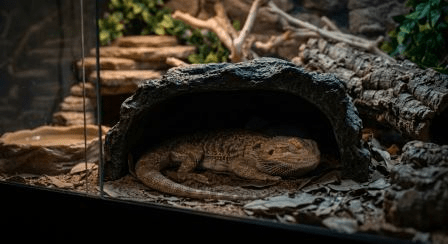
You’ve had your bearded dragon for a year or so. Everything’s been going great. They eat well, bask happily, and have loads of personality. Then one day, they stop eating. They hide in their cave all day. They barely move. You start Googling frantically, convinced something is terribly wrong.
Sound familiar?
If this is happening to you right now, take a breath. Your dragon is probably doing something completely natural. It’s called brumation. And once you understand what it is, you’ll stop worrying and start handling it like a pro.
First things first: bearded dragons don’t hibernate. Hibernation is something mammals do. Bearded dragons do something called brumation—the reptile version of a long winter nap.
Brumation is a natural seasonal slowdown where your dragon’s metabolism drops, their activity plummets, and their appetite fades or disappears entirely. They conserve energy by moving less, digesting less, and spending extended periods resting in a secure, cooler area of their enclosure.
Here’s the important distinction: A brumating dragon isn’t “shut down.” Their heart rate and metabolism are reduced, but not stopped. They’ll often briefly rouse themselves, shift positions, drink some water, or sit quietly before returning to their hide. This is entirely normal.
Think of it less like a bear in a deep winter sleep and more like your dragon is in a “power-saving mode.”
In the wild, bearded dragons from the interior of Australia experience real seasonal changes. Winters bring shorter days, colder temperatures, and less food.
Instead of trying to survive when conditions are against them, they simply “power down”. They find a safe spot, slow everything down, and wait for the environment to warm up again.
Here’s the bit that surprises most owners: Your captive dragon doesn’t need to brumate. Their enclosure is warm. Food is provided. The lights are consistent. But the instinct is hardwired from millions of years of evolution, and it doesn’t just switch off because conditions are comfortable.
Some pet dragons brumate every year like clockwork. Others do it once or twice and never again. And plenty never brumate at all. All of these are normal.
Before we go any further, let’s get this clear: not every dragon should brumate.
DO NOT allow brumation in:
If your dragon falls into any of these categories and is showing brumation-like signs, contact a reptile vet immediately.
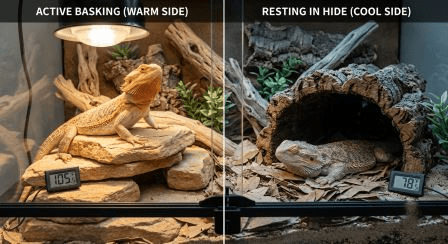
This is where things get tricky. Brumation shares symptoms with genuine illness—and that’s exactly why so many owners panic.
Common brumation signs to look for:
The challenge is that these same signs can also indicate temperature problems, UVB issues, parasites, or early illness.
So how do you tell the difference?
| Brumation Usually Looks Like | Illness Usually Looks Like |
|---|---|
| Gradual slowdown over days/weeks | Sudden change |
| Dragon still looks healthy (bright eyes, good body condition) | Dragon looks thin, weak, or dehydrated |
| No other symptoms (no vomiting, no diarrhea, no discharge) | Other symptoms present |
| Happens during cooler months | Happens at any time of year |
The golden rule: If you’re not sure, see a vet. Always. It’s better to be safe than sorry.
Here’s something most pet sites won’t tell you.
A 2024 study investigated the effects of transient cooling on bearded dragons’ circadian rhythms. Researchers found that exposure to low temperatures (4°C) caused a complete cessation of movement, and the behavioral rhythm after rewarming was determined not by the duration of cooling, but by the timing of when cooling stopped.
In plain English? When your dragon cools down and warms back up matters more than how long they stay cool. This is fascinating new science that helps us understand just how precisely their bodies are tuned to environmental cues.
Another study also documented that during brumation, certain genes in the liver and testis tissues show repressed expression patterns. We’re still learning exactly what this means, but it’s evidence that brumation triggers real, measurable changes at the genetic level.
This is non-negotiable.
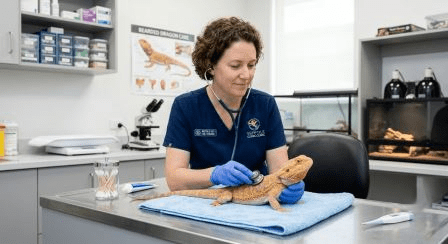
Before you assume your dragon is brumating, take them to a reptile vet. They should do:
A dragon with parasites can look like they’re brumating, but if they go into brumation with parasites, they can wake up critically ill. Don’t skip this step.
Once your vet confirms your dragon is healthy, let them brumate.
What to do:
What NOT to do:
A bearded dragon can brumate anywhere from a couple of weeks to four months. In captivity, it’s less predictable.
Some dragons brumate for a few weeks. Others take the whole winter off. Be patient and let them take as long as they need.
When your dragon is ready to wake up, they’ll start emerging from their hide, basking more, and showing interest in food again.
How to help them transition:
Within a week or two of waking up, most dragons are back to their normal, hungry, active selves.
Most brumation is smooth and uneventful. But keep an eye out for these red flags:
| Red Flag | What to Do |
|---|---|
| Rapid weight loss (more than 10% of body weight) | Call your vet |
| Sunken eyes or signs of dehydration | Offer water; call vet if it doesn’t improve |
| Discharge from eyes, nose, or mouth | Vet visit immediately |
| Vomiting or diarrhea | Vet visit immediately |
| Brumation in a juvenile (under 12 months) | Contact your vet |
| Brumation outside of normal season | Could indicate illness—get a vet check |
Remember: Brumation out of season, or in a sick or young dragon, may signal a problem.
Sometimes yes. Bearded dragons may brumate with their eyes partially open. It looks weird, but it’s normal.
Generally no. Bathing can disturb them and lower their body temperature. Just provide fresh water in their enclosure.
Yes. During brumation, appetite often fades or disappears entirely.
You shouldn’t try. It’s a natural biological process and interrupting it can be harmful.
It could be. While some dragons may brumate at unexpected times, brumation outside of normal seasonal patterns can indicate illness. Get them checked by a vet.
Here are the most common questions about bearded dragon brumation, with clear, practical answers to help you navigate this natural process with confidence.
A: Brumation is the reptile version of hibernation. It’s a natural seasonal slowdown where a bearded dragon’s metabolism decreases, activity drops, and appetite often fades or disappears entirely. Unlike mammals that hibernate and sleep continuously, brumating reptiles may occasionally rouse themselves, shift positions, drink water, or sit quietly before returning to rest.
A: No, they’re different. Hibernation is what mammals do—they sleep continuously through winter and rely on fat reserves. Brumation is what reptiles do. During brumation, bearded dragons lower their metabolic rate and become very sluggish, but they may still move around on warmer days to find water before returning to their resting spot. It’s more of a “power-saving mode” than a deep sleep
A: In the wild, bearded dragons from Central Australia brumate during the region’s winter months (May to August). In the Northern Hemisphere, most pet dragons slow down during late fall or winter—typically from November to March. However, some dragons may brumate at unexpected times, and that alone doesn’t automatically indicate a problem.
Q: Do all bearded dragons brumate?
A: No. Some pet bearded dragons brumate every year like clockwork. Others do it once or twice and never again. And plenty never brumate at all. All of these are normal. Out of 25 bearded dragons at one rescue, only one went into full brumation.
A: Do NOT allow brumation in:
Juveniles under 12 months old – they’re still growing and their bodies aren’t suited for metabolic slowdown
Underweight or thin dragons – they don’t have enough fat reserves to sustain themselves
Sick or unhealthy dragons – brumation can make underlying illnesses much worse
If your dragon falls into any of these categories and is showing brumation-like signs, contact a reptile vet immediately.
A: Before brumation starts:
Get a vet check – have a fecal test done to check for parasites and ensure your dragon is healthy enough to brumate
Weigh your dragon – establish a baseline weight to monitor for concerning weight loss
Deep clean the enclosure – do a thorough cleaning before brumation
Reduce lighting – gradually decrease daylight hours to about 10 hours per day
Reduce feedings – your dragon will naturally eat less
A: The most productive thing you can do is maintain correct conditions, provide access to water, and let your dragon do what its biology is driving it to do.
Specifically:
Keep fresh water available at all times
Offer food every few days, but don’t worry if it’s ignored
Weigh your dragon every 1-2 weeks – a small amount of weight loss is normal, but rapid or significant loss should prompt a vet call
Do spot cleans as needed rather than deep cleaning during brumation
Let them rest – disturbing the brumation process can cause stress and throw off their natural cycle
A: You should reduce lighting, not turn it off completely. Reduce the lighting to about 10 hours per day. A drop in temperature and shorter days is what triggers brumation, so don’t keep the enclosure at its normal basking temperature during brumation. Aim for a daytime temperature around 68°F and nighttime around 60°F.
A: Your dragon will start to emerge from their hide, bask more, and show interest in food again. This is your signal that brumation is ending.
A: When your dragon starts waking up: Within a week or two of waking up, most dragons are back to their normal, hungry, active selves.
Gradually increase lighting – add an hour of light per day back to 12-14 hours
Slowly increase basking temperature – raise it by a few degrees each day
Offer small amounts of food – start with easy-to-digest insects
Keep offering water – rehydration is important
Monitor their weight – some weight loss is normal, but significant loss needs vet attention
| Question | Quick Answer |
|---|---|
| What is brumation? | Reptile version of hibernation—metabolic slowdown |
| How long does it last? | 1-4 months |
| Who should NOT brumate? | Juveniles under 12 months, underweight, or sick dragons |
| Should I force brumation? | No—let them do it naturally if they want to |
| Do I need a vet check first? | Yes—always get a fecal test and health check |
| Should I bathe during brumation? | No—it can stress them out |
| How often should I weigh them? | Every 1-2 weeks |
| When to call the vet? | Rapid weight loss, discharge, vomiting, or any worrying signs |
The Bottom Line
Brumation is a natural, normal process for healthy adult bearded dragons. It can look alarming if you’re not expecting it, but with proper preparation and monitoring, it’s nothing to fear.
Your simple checklist:
Brumation is one of the most misunderstood aspects of bearded dragon keeping. It looks alarming if you’re not expecting it. It shares symptoms with genuine illness. And in captivity, it follows no predictable schedule.
But here’s the truth: In healthy adult dragons, brumation is completely normal and nothing to fear.
Your simple checklist:
The most productive thing you can do during brumation is maintain correct conditions, provide access to water, and let your dragon do what its biology is driving it to do.
Understanding what is happening and why makes the experience far less stressful for both keeper and animal.
Your dragon isn’t sick. They’re not dying. They’re just doing what millions of years of evolution have programmed them to do. And honestly? That’s pretty amazing.