New Species Discoveries in 2026: Meet the Animals That Could Become the Next Pet Stars
Have we ever stopped to think that right now, there are countless animal species on this planet that we’ve never seen before? In 2026, scientists

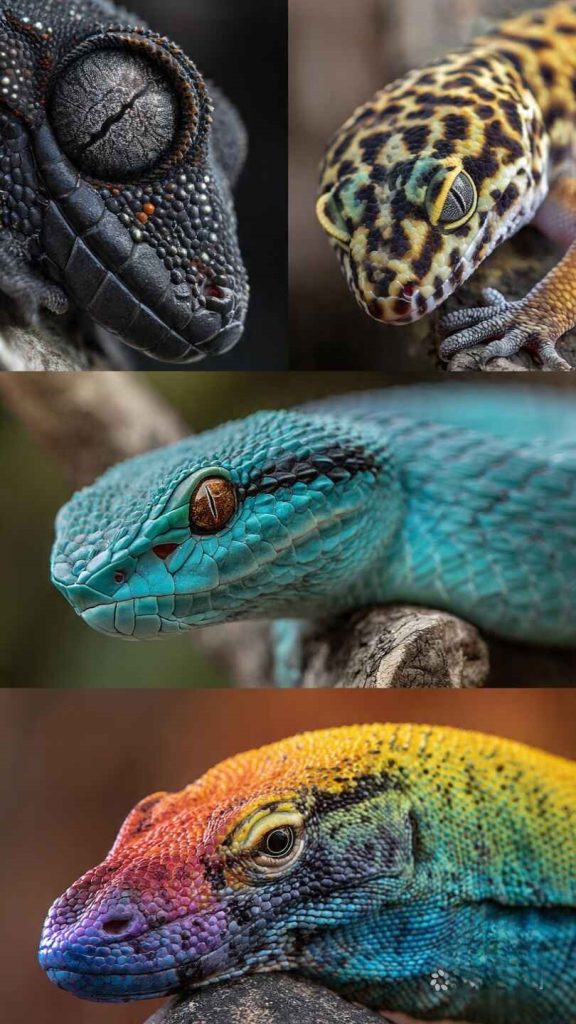
Have we ever stopped to think that right now, there are countless animal species on this planet that we’ve never seen before?
In 2026, scientists around the world have discovered a staggering number of entirely new species. From the caves of Southeast Asia to the wilderness of Australia, from the rocky hills of India to the karst mountains of China, new forms of life are being revealed one by one.
And here’s the exciting part—some of these newly discovered species, with their stunning looks and unique behaviors, could very well become the next stars of the exotic pet world.
Today, I’m going to introduce these new friends that science has just confirmed in 2026.
Discovery Date: April 2026
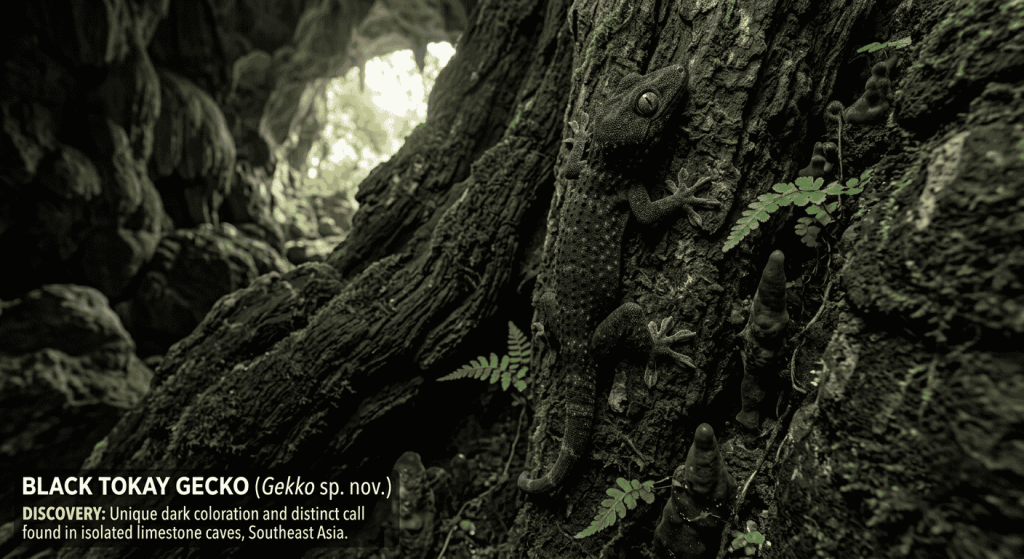
For a long time, a dark-colored gecko living in the border region between Thailand and Malaysia was thought to be just a dark variant of the common Tokay gecko.
But a team of Belgian and Thai biologists analyzed its morphology and genetics and found something remarkable—this is a completely new species.
They named it Gekko dam, where “dam” means “black” or “dark” in Thai.
Why wasn’t it discovered until 2026?
Here’s the interesting part—this lizard is fairly large and should have been discovered earlier. But there’s a catch: once preserved in alcohol, it loses its dark color and looks almost identical to the common Tokay gecko.
Only when alive can you see its unique dark appearance and contrasting markings.
⚠️ The pet trade concern:
Researchers have explicitly warned—the Black Tokay’s striking appearance makes it highly attractive to the pet trade【1†L9-L10】.
This isn’t just speculation. The same research team previously described another new species, Gekko pradapdao (Thai for “galaxy,” named for its beautiful bright white spots), which has already become a popular species in the pet market【1†L11-L12】.
The research team is calling for legal protection for this new species before field surveys can determine its population distribution and ecological needs【1†L15-L16】.
Discovery Date: May 2026
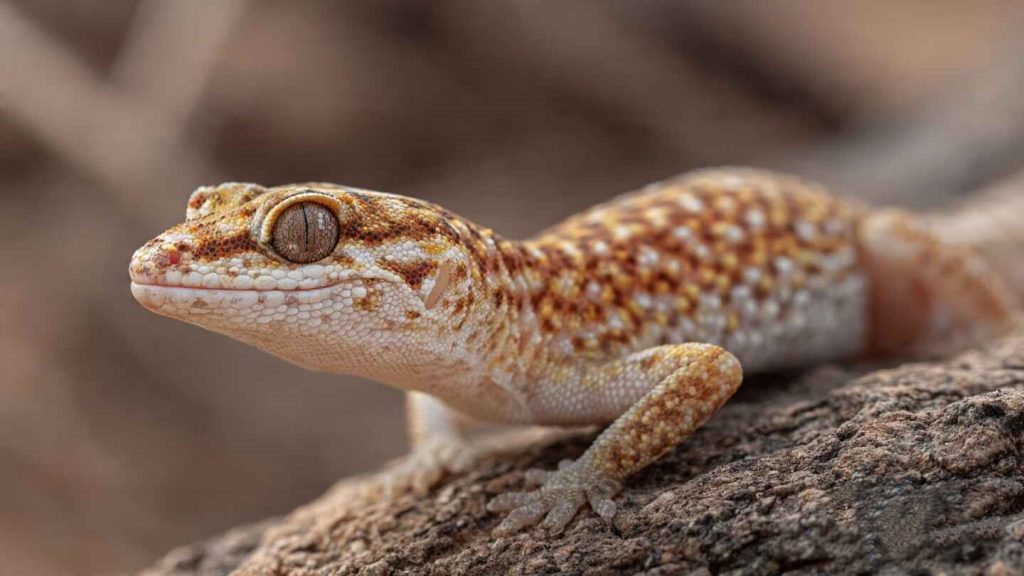
In the Kaimur hills of Bihar, India, scientists have discovered an entirely new species of leopard gecko.
It has been named Eublepharis jhuma (Jhuma’s leopard gecko). “Jhuma” is the nickname of Dhriti Banerjee, the first woman director of the Zoological Survey of India, named in honor of her contributions to Indian zoology【2†L2-L3】.
What does it look like?
DNA reveals it’s an ancient lineage
Researchers found that Jhuma’s leopard gecko has a DNA difference of 7.8% from other Indian leopard geckos—evidence of millions of years of separate evolution【2†L12-L13】.
Scientists believe it evolved in isolation over millions of years due to geological changes.
⚠️ Conservation concerns:
Leopard geckos have been a major part of the international pet trade since the 1960s. The common leopard gecko (Eublepharis macularius) is one of the most heavily traded reptiles in the world, mainly from Pakistan, India, and Afghanistan【2†L18-L20】.
The good news: in India, all leopard gecko species are protected under Schedule I of the Wildlife Protection Act【2†L21-L22】.
The bad news: illegal collection continues. Researchers warn that newly discovered species often become targets for illegal trafficking as soon as they’re named【2†L24】.
Discovery Date: April 2026
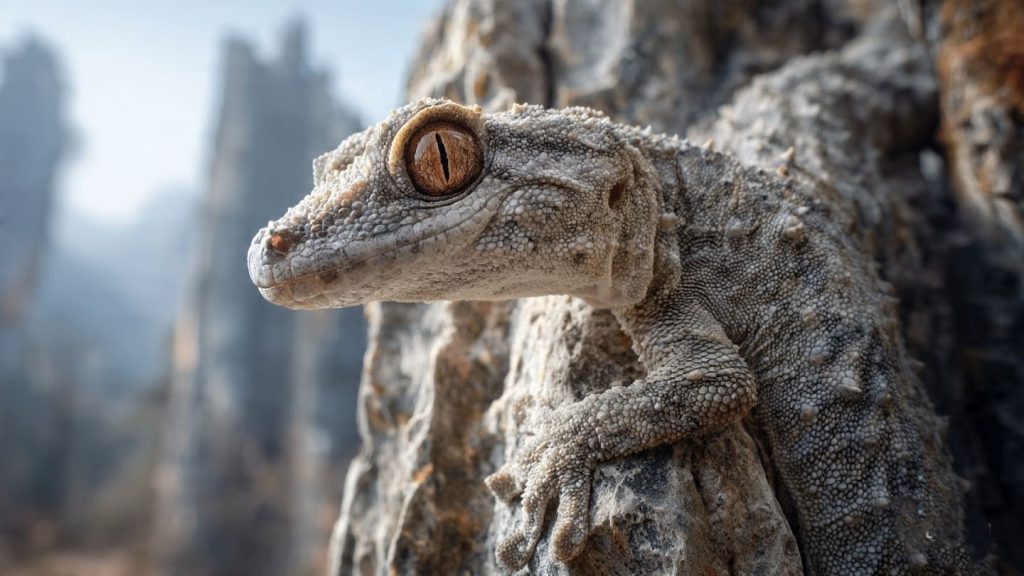
In the karst landscapes of Guilin, Guangxi, China, scientists have discovered a new species of gecko.
Gekko wuzhengjuni belongs to the Japonigekko subgenus and is a sister species to Gekko fengshanensis.
How different is its DNA?
Physical features:
Karst landscapes are treasure troves of biodiversity, but these unique ecosystems are also extremely fragile. Protecting these newly discovered species is urgent.
Discovery Date: June 2026
This might be one of the most stunning discoveries of the year.
In the limestone cave systems of Battambang province in northwestern Cambodia, a wildlife conservation organization surveyed over 60 caves over two years and discovered 11 new species【3†L2-L4】.
Among them:
⚠️ The pet trade threat:
Researchers warn that Gekko shiva’s striking appearance makes it a target for the exotic pet trade【3†L16-L17】. The ornate flying snake is also becoming increasingly popular among reptile collectors due to its bright colors【3†L18】.
Even more concerning: Cambodia’s karst landscapes are not protected and are often blasted for limestone mining to produce cement. Since some species exist only on a single mountain, destroying just one mountain could wipe out an entire species【3†L20-L22】.
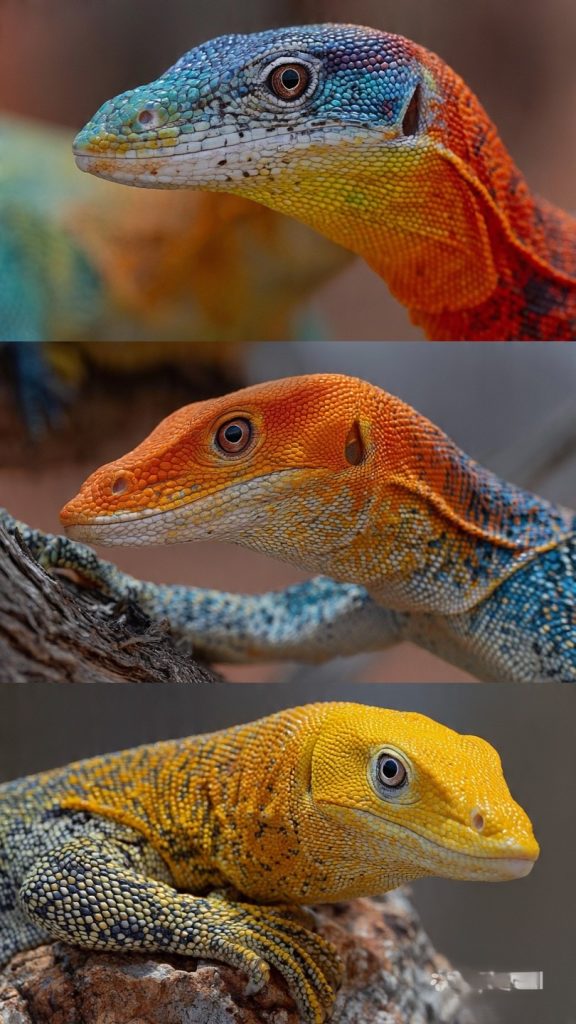
Discovery Date: March 2026
Researchers from the Australian National University have discovered three new species of rock-dwelling monitor lizards in the savannas of northeastern Queensland【4†L2-L3】.
They’ve been named:
Why weren’t they discovered until now?
The research team initially thought these lizards were just different color variants of a single species. But when the first genetic results came back, they were shocked【4†L8-L9】.
The differences between these three species are greater than those between many monitor species that have been recognized for decades【4†L10-L11】. They’ve been evolving separately for millions of years.
⚠️ The threats they face:
Monitors are highly attractive to wildlife observers and reptile keepers.
The research team has already seen photos on social media of these lizards in captivity【4†L16-L17】. Even worse, some people searching for these animals have been careless and damaged their rocky habitats【4†L18】.
“Even minor rock displacement can make a shelter unusable,” the researchers said【4†L19】.
Discovery Date: April 2026
In Ultapani, Assam, India, scientists have discovered a new species of grass lizard belonging to the genus Takydromus.
This new species is distinguished from related species by significant morphological differences and mitochondrial gene variations.
Discovery Date: February 2026
In the Huaping National Nature Reserve in Guangxi, China, a new species called the Huaping Pygmy Toad (Leptobrachella cathaya) was formally described【5†L2-L3】.
It is the 9,000th confirmed amphibian species in the world【5†L4】.
This number is both exciting and sobering—because countless unknown species may disappear before humans even discover them【5†L6】.
Discovery Date: January 2026
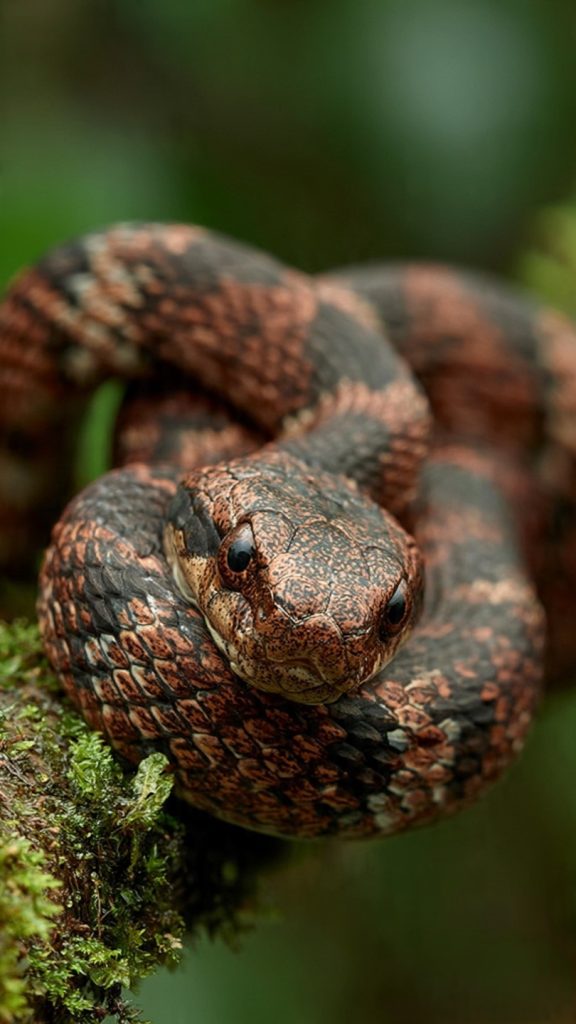
In the Mizoram region of India, at elevations between 670 and 1,295 meters (2,200 to 4,250 feet), scientists have discovered a new species of snake—the Mizoram Reed Snake (Calamaria mizoramensis sp. nov.).
Discovery Date: March 2026
Researchers have discovered a new species of Cyrtodactylus gecko in Cambodia, named C. kiriromensis sp. nov.
Discovery Date: April 2026
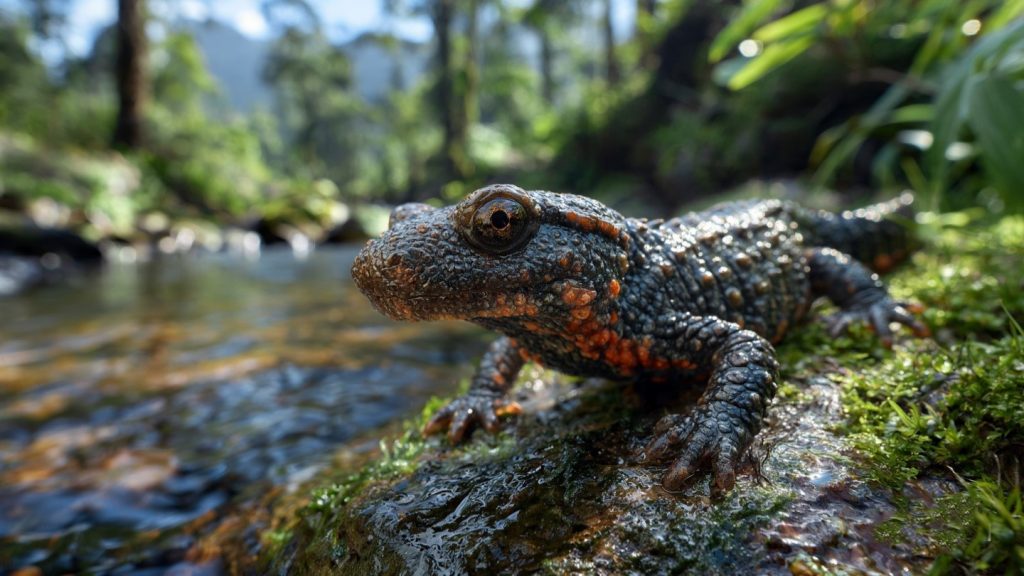
On Mount Pu Sai Lai Long, on the border between Laos and Vietnam, scientists have discovered a new species of crocodile newt—Tylototriton vietnamirabilis sp. nov.【6†L2-L3】.
This newt is distinguished from related species by body size, tail length, head gland ridges, parotid morphology, appearance of the vertebral ridge, and the number of dorsolateral glandular warts【6†L7-L9】.
Genetic difference: At least 5.33-5.37% ND2 gene divergence from related species【6†L10】.
Conservation status: Researchers recommend listing it as Endangered (EN) because it’s currently only found in one patch of evergreen mountain forest on Mount Pu Sai Lai Long【6†L13-L14】.
Discovery Date: April 2026
In Ecuador, researchers have discovered a new species of glass frog.
It’s named after Neisi Dajomes—the first Ecuadorian woman to win an Olympic gold medal, in the women’s 76kg weightlifting event at the Tokyo 2020 Olympics.
Discovery Date: June 2026
In Oman, scientists have discovered two new species of lizards belonging to the genus Proctoporus【7†L2】.
They’ve been named Proctoporus optimus—after the Transformers movie character Optimus Prime【7†L3】.
These lizards have shiny dark scales, and one of them has a red belly. They measure between 2.7 cm (1.1 inches) and ???
(Note: The full size range wasn’t available in the source material.)
Whenever a new, visually striking species is discovered, the pet market takes notice quickly. The Black Tokay gecko, Gekko shiva, the rainbow monitor—their appearance offers exotic pet enthusiasts exciting new options.
The discovery of new species often comes hand-in-hand with the risk of illegal collection.
As researchers have pointed out: the Black Tokay’s “striking appearance makes it highly attractive to the pet trade”; Gekko shiva’s “striking appearance makes it a target for the exotic pet trade”; Australia’s monitors have already appeared in captivity photos on social media.
The good news is that more and more new species are being accompanied by calls for legal protection at the time of their description.
India has placed all leopard geckos under Schedule I of the Wildlife Protection Act; the Cambodia research team emphasizes that “giving it a formal scientific name is the first step toward legal protection”; Vietnam’s crocodile newt has already been recommended for Endangered status.
About the Black Tokay:
About Jhuma’s Leopard Gecko:
About the Cambodia cave discoveries:
In 2026, we’ve witnessed the discovery of so many new species. This is a victory for science—and a reminder from nature that there is still so much life on this planet that we don’t yet understand.
But for the exotic pet industry, these discoveries are both an opportunity and a responsibility.
The opportunity: We have more beautiful, unique species to appreciate and care for.
The responsibility: We must ensure that these newly discovered species don’t go extinct because of the pet trade. This means:
Every new species discovery is a gift from nature. Let’s cherish that gift responsibly.
Disclaimer
This article is for educational and informational purposes only