The Age of Discovery: 10 New Species That Will Amaze You (2025-2026)
Hi seekers! Imagine a world where a new species is discovered every single day. Where scientists wade through remote jungles, dive into unexplored waters, and

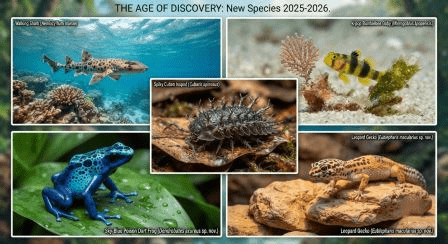
Hi seekers! Imagine a world where a new species is discovered every single day. Where scientists wade through remote jungles, dive into unexplored waters, and sift through museum collections—and 16,000 new species are described every single year.
In fact, 15% of all known species on Earth have been discovered in just the past 20 years. We are living in an extraordinary age of discovery. And the creatures being found? They are utterly mind-blowing.
From walking sharks to K-pop fish, from dragon-like isopods to sky-blue poison frogs, here are 10 of the most incredible new species discoveries from 2025 and 2026—each with a story that will change how you see the natural world.
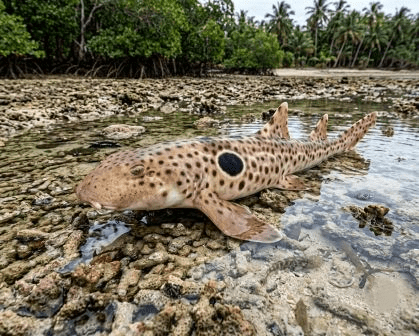
Discovery: March 2025
Scientists were on a night dive off the coast of Milne Bay, Papua New Guinea, when they saw it—a meter-long shark, gliding through shallow coastal waters not by swimming, but by walking.
Meet the Dudgeon’s walking shark, named after Australia’s University of the Sunshine Coast researcher Christine Dudgeon. The locals call it kadedekedewa, which loosely translates to “dog shark” or “lazy shark” because of its slow, four-limbed gait.
These sharks use their muscular pectoral and pelvic fins to “walk” across the seafloor, a trait thought to be an adaptation for hunting in shallow, complex habitats.
The concern: The shark has a very restricted home range, making it vulnerable to habitat degradation, fishing activity, and climate change. As Dudgeon herself said: “New shark species don’t come along that often”.

Discovery: June 2026
On Hengqin Island in Guangdong, China, researchers discovered a new species of bumblebee goby. They named it Brachygobius jennie—Jennie’s Bumblebee Goby—in honor of BLACKPINK member Jennie Ruby Jane.
This isn’t just a celebrity naming gimmick. The discovery marks the first recorded presence of this fish genus in China, expanding our understanding of the region’s biodiversity.
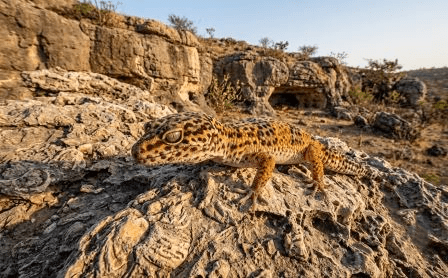
Discovery: June 2026
In the rocky scrublands of Bihar, India, scientists discovered a new species of leopard gecko.
The discovery was based on eight specimens collected during faunal surveys by the Zoological Survey of India in 2021 and 2024. It adds another branch to a lineage of reptiles that has evolved across the Indian subcontinent’s geological formations over millions of years.
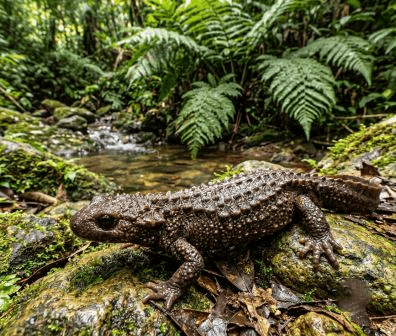
Discovery: April 2026
High on Phu Xai Lai Leng Mountain, on the border between Vietnam and Laos, scientists discovered a new species of crocodile newt—Tylototriton vietnamirabilis.
Crocodile newts are ancient amphibians that inhabit montane forest areas across Asia. This new species was described in the journal ZooKeys and adds to our understanding of these remarkable creatures.
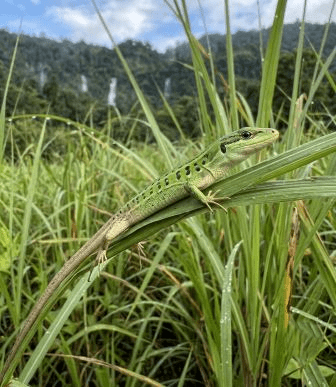
Discovery: 2026
Scientists described a new species of Takydromus (grass lizard) from northeast India.
These slender, long-tailed lizards are found across Asia, and each new discovery helps us understand the incredible diversity of this region.
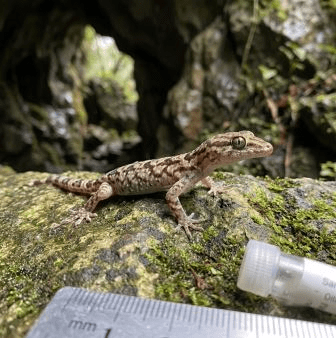
Discovery: June 2026
A new species of Cyrtodactylus gecko was described from eastern Nepal, published in the journal Zootaxa. These geckos are known for their incredible adaptability and are found across Southeast Asia.
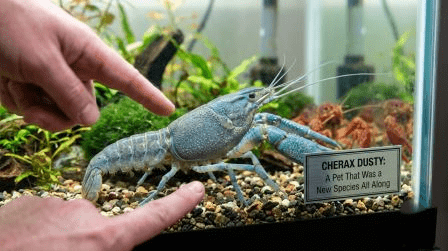
Discovery: January 2025
Here’s a fascinating twist: a brightly colored crayfish that had been kept in pet aquariums for over two decades turned out to be an entirely new species.
Scientists studied six of these crayfish, analyzed their DNA, and realized they’d discovered Cherax pulverulentus—the dusty crayfish.
Native to New Guinea, these crayfish have been popular aquarium pets in Europe, Indonesia, Japan, and the United States for over 20 years. They were sitting in tanks all over the world, and no one knew they were looking at a species unknown to science.
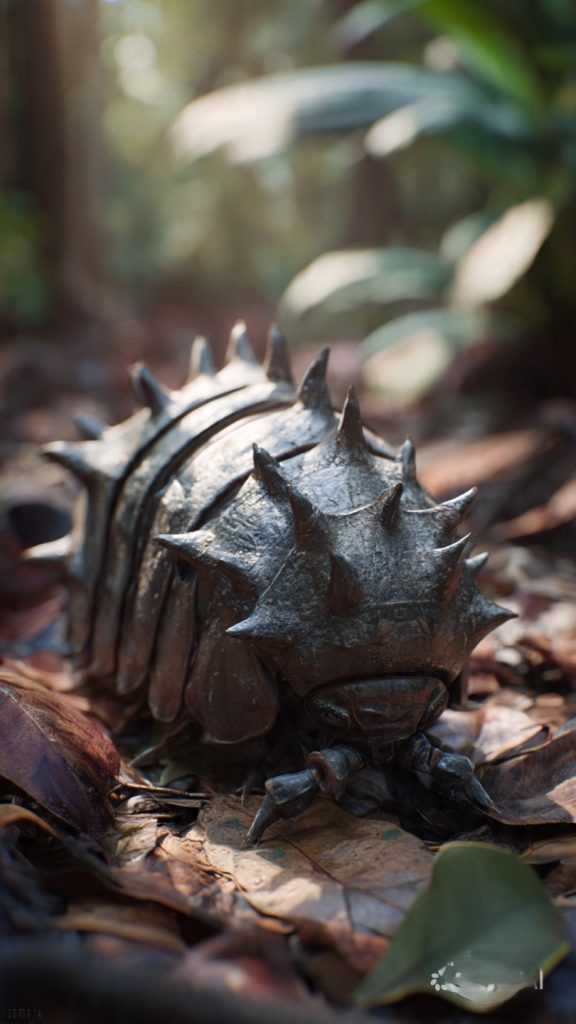
Discovery: 1999 (but rediscovered by the pet trade in 2025)
The Cuban Spiky Isopod (Pseudarmadillo spinosus) was first described in 1999. But in 2025, it became a viral sensation in the exotic pet trade.
Collectors are paying up to $850 per individual for these tiny, dragon-like creatures. But the demand has a dark side: the species is found only in a single small nature reserve in Cuba, and illegal poaching is threatening its existence.
In October 2025, the journal Conservation Biology warned that the trade could lead to the species’ extinction.

Discovery: July 2025
In Brazil, researchers identified a new species of tree-dwelling tarantula after it was found wandering inside a house—likely “looking for females or food”.
These “tiny” tarantulas are found only in very limited habitats and are under threat due to their beauty. The discovery was published in the journal Zootaxa.

Discovery: 2025
DNA analysis revealed a new species of poison dart frog in the Ranitomeya genus. It was named Ranitomeya aetherea after its dominant trait—long, sky-blue lines along the length of its body.
Like most poison dart frogs, it’s tiny—just 15mm long. Its discovery highlights how much we still don’t know about even the most famous groups of animals.
About 16,000 new species are discovered every year. That’s roughly 44 new species every single day.
But here’s the sobering reality: many of these species are being discovered just as they’re being threatened with extinction. Habitat loss, climate change, and the unregulated exotic pet trade are all taking their toll.
The Cuban Spiky Isopod is a perfect example. A creature that’s been on Earth for millions of years could disappear because people want to own it. The dusty crayfish sat in aquariums for 20 years before anyone realized it was a new species. How many more species are out there, waiting to be discovered—or waiting to disappear?
We are living in a golden age of discovery. Every year, scientists find thousands of new species—from walking sharks to K-pop fish to ancient lizards. Each discovery reminds us how much we still don’t know about the world we share.
But discovery comes with responsibility. When we find something extraordinary, we have a duty to protect it. Not just to study it, not just to admire it, but to ensure it survives for generations to come.
Because the greatest discovery isn’t finding a new species. It’s realizing that every species—known or unknown—deserves a future.
Pingback: How To Care Cuban Spiky Isopod | Paws & Antlers