
How To Care Cuban Spiky Isopod
The Cuban Spiky Isopod (Pseudarmadillo spinosus) is one of the most sought-after species in the isopod hobby. With its dragon-like spines, armored body, and earthy,
The Cuban Spiky Isopod (Pseudarmadillo spinosus) is one of the most sought-after species in the isopod hobby. With its dragon-like spines, armored body, and earthy,
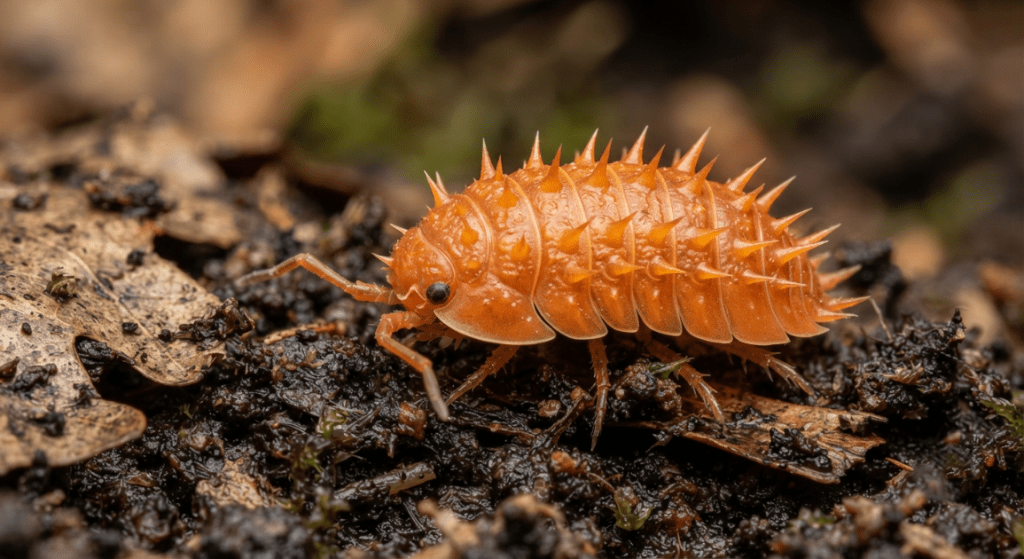
The Cuban Spiky Isopod (Pseudarmadillo spinosus) is one of the most sought-after species in the isopod hobby. With its dragon-like spines, armored body, and earthy, textured appearance, it’s easy to see why collectors call it the “holy grail” of isopods.
But here’s the honest truth: this is not a beginner’s pet.
This guide answers the most common questions about Cuban Spiky care, based on real experience from keepers who have successfully maintained and bred this remarkable species.
Expert Answer: The Cuban Spiky (Pseudarmadillo spinosus) is a Cuban endemic species, first formally described in 1999. It belongs to the family Delatorreiidae, which includes nearly 20 Cuban endemic species.
What sets it apart is its compact armored body with raised spines and a rough, sculpted texture. Unlike many isopods prized for bright colors, the Cuban Spiky’s appeal is all about texture—it photographs beautifully under macro lighting where the spines and surface sculpting become the focal point. Adults reach around 10 mm, with some hobby individuals appearing slightly larger.
The species is found only in north-central Cuba, with published records from Sancti Spíritus Province. Its restricted distribution and specific habitat requirements make it vulnerable, and collecting from the wild is prohibited in protected areas.
Expert Answer: No. This species is classified as advanced care.
As one seller puts it: “Care is advanced, reproduction is slow, and this is best treated as a long-term collector project rather than a beginner culture.”
Why it’s not for beginners:
If you’re new to isopods, start with a hardier species first. Gain experience, learn the basics of moisture gradients and ventilation, and then consider adding Cuban Spikies to your collection.
Expert Answer: Cuban Spikies need a stable, well-prepared enclosure with good airflow, constant leaf litter, calcium access, and a controlled moisture gradient.
Important: Whatever you choose, make sure it’s escape-proof. Cuban Spikies are excellent climbers and will find any gap.
The substrate should be:
A combination of organic soil, leaf litter, and sphagnum moss creates the moist, humid environment these isopods prefer.
Constant leaf litter is non-negotiable. This is their primary food source and provides essential cover. Oak, beech, or magnolia leaves work well.
Expert Answer: Cuban Spikies need stable warmth and moderate to high humidity with a clear moisture gradient.
| Parameter | Range |
|---|---|
| Preferred | 72–78°F (22–26°C) |
| Tolerable | 70–85°F (21–29°C) |
| Too hot | Above 86°F (30°C) – risk of overheating |
| Too cold | Below 65°F (18°C) – they’ll slow down and may die |
Most isopods don’t need a heat source if room temperature is stable. If your room is on the cooler side, a heat mat on one side of the enclosure can create a gentle temperature gradient.
| Parameter | Range |
|---|---|
| Target | Moderate to high (70–80%) |
| Key principle | A clear moisture gradient – damp on one side, drier on the other |
Why a moisture gradient matters: Isopods have gills and need moisture to breathe, but they also need a place to escape if conditions get too wet. A gradient lets them self-regulate.
How to create it:
One experienced keeper recommends using a tube that goes to the bottom of the substrate to pour water in—this provides humidity without drowning babies or waterlogging the surface.
Expert Answer: Proper ventilation is critical for Cuban Spikies.
Too little ventilation → stagnant air, mold growth, ammonia buildup, and suffocation risk
Too much ventilation → the substrate dries out and humidity drops
The gold standard: Cross-ventilation (holes on opposite sides of the enclosure) is more important than ventilation out the top. Top ventilation can cause moisture to evaporate too quickly, especially if you’re stacking bins.
Pro tip: Start with a few small holes and gradually increase as needed, monitoring for condensation and stagnant air.
Expert Answer: Cuban Spikies are slow eaters—don’t expect them to devour food overnight. They nibble slowly and steadily.
Feed twice a week in small amounts. Remove uneaten food to prevent mold.
What to avoid:
Expert Answer: Water and feed twice a week.
How to water:
The “tube method” (recommended by experienced keepers):
Warning signs:
Remember: The substrate should be damp but never soggy.
Expert Answer: Slowly. Very slowly.
| Breeding Fact | Detail |
|---|---|
| Brood size | Around 10 offspring per brood |
| Reproduction rate | Slow |
| Time to establish | Patience-dependent |
Real keeper experiences:
One keeper successfully bred them four years after starting their colony. Another succeeded two years in. One keeper has not yet succeeded in breeding.
Tips for breeding success:
Expert Answer: Here are the mistakes most often made with Cuban Spikies:
| Mistake | Why It’s Bad |
|---|---|
| Not enough ventilation | Stagnant air → mold, ammonia buildup, suffocation |
| Overwatering | Waterlogged substrate drowns isopods and promotes mold |
| Underwatering | Too dry → they can’t molt properly |
| Forgetting calcium | Without calcium, they can’t maintain healthy exoskeletons |
| Using wild-collected materials | Pesticides and contaminants can kill your colony |
| Overfeeding | Uneaten food molds and creates unhealthy conditions |
| Frequent disturbance | Cuban Spikies are shy and stress easily |
| Buying from questionable sources | Wild-caught individuals contribute to a conservation crisis |
On conservation: The Cuban Spiky is known to have small ranges entirely within protected lands where collecting is prohibited. Only buy from reputable breeders who can prove their stock is captive-bred. The largely unregulated online trade in isopods could pose a serious threat to vulnerable species.
Expert Answer: Only if you’re ready for the challenge.
Cuban Spiky Isopods are stunning, fascinating, and absolutely worth the effort—if you’re prepared for a long-term commitment.
They’re not for beginners. They’re slow to breed, sensitive to mistakes, and require consistent, patient care. But for the experienced keeper willing to put in the work, they’re one of the most rewarding species you can keep.
If you’re ready:
Disclaimer: This article is for educational and informational purposes only.
Hi, I’m [Your Name]. I’ve been an isopod enthusiast for 6 years, maintaining over 20 species including the Cuban Spiky, Rubber Ducky, and Panda King. I’ve successfully bred Pseudarmadillo spinosus for 3 generations and actively participate in the isopod community. When I’m not caring for my colonies, I’m researching isopod conservation and helping fellow keepers avoid the mistakes I made early on.
Here are the most common questions about caring for Cuban Spiky Isopods (Pseudarmadillo spinosus), with clear, practical answers based on experience from keepers who have successfully maintained and bred this remarkable species.
The Cuban Spiky Isopod (Pseudarmadillo spinosus) is a land-based crustacean, closely related to the common pill bug or “roly-poly.” It has an orange shell with sharp, spike-like scales protruding from its back, making it look like a tiny armored dragon. It is found only in a small nature reserve in north-central Cuba and is listed as Critically Endangered.
Collectors call it the “holy-grail species of isopod” because of its incredible rarity, striking appearance, and the difficulty of obtaining one. Its limited range and slow reproduction (only about 10 offspring per brood) make it highly sought after.
Adults typically reach about 10 mm (0.4 inches) in length—about the size of a pinkie fingernail. Some hobby individuals may appear slightly larger.
A: With proper care, they can live several years. Their slow breeding rate means each individual is valuable to the colony.
No. They are classified as advanced care. They are slow to reproduce, sensitive to setup mistakes, and require patience and attention to detail. If you’re new to isopods, start with a hardier species first. Gain experience, learn the basics of moisture gradients and ventilation, and then consider adding Cuban Spikies to your collection.
They need a secure, well-ventilated enclosure with a tight-fitting lid. They’re excellent climbers and escape artists! A plastic storage tub with ventilation holes or a glass terrarium with a tight-fitting, ventilated lid works well. For ventilation, aim for cross-ventilation (holes on opposite sides) for steady airflow.
Use a mix of organic soil, coconut fiber, and a bit of sand. The substrate should be at least 2-3 inches deep and kept damp (but not wet). Add leaf litter (oak, beech, or magnolia) and pieces of rotting wood or cork bark. Leaf litter is their primary food source and provides essential cover.
Cuban Spikies need both damp and drier areas in their enclosure. They have gills and need moisture to breathe, but they also need a place to escape if it gets too wet. A moisture gradient allows them to self-regulate. Create this by having sphagnum moss on one side (damp) and leaf litter on the other (drier).
Mist the damp side twice a week with dechlorinated water. To avoid drowning babies, use a tube that goes to the bottom of the substrate to pour water in—this provides humidity without flooding the surface. The substrate should be moist but never have standing water at the bottom.
They prefer 72-78°F (22-26°C). They can tolerate 70-85°F (21-29°C), but consistency is key. If your room temperature is stable, you may not need additional heating. If not, use a heat mat on one side of the enclosure to create a gentle temperature gradient.
Above 86°F (30°C), they’ll overheat. Below 65°F (18°C), they’ll slow down significantly and may die. Avoid sudden temperature changes
They need moderate to high humidity (70-80%) with a clear moisture gradient. Mist the damp side twice a week and check the substrate regularly. Too dry and they’ll struggle to molt; too wet and you’ll get mold or drowned isopods.
Proper ventilation is critical. Too little ventilation → stagnant air, mold growth, ammonia buildup, and suffocation risk. Too much ventilation → the substrate dries out and humidity drops. The gold standard is cross-ventilation (holes on opposite sides of the enclosure).
They’re slow eaters and need a varied diet:
Base diet: Leaf litter (always available) and decaying wood
Supplements: Fish food (flakes or pellets), yams, root vegetables (sweet potato, carrot), commercial isopod food, and occasional light protein
Calcium: Always available—cuttlebone, calcium powder, or crushed eggshells
Feed twice a week in small amounts. Remove uneaten food after 24 hours to prevent mold. Don’t overfeed—they nibble slowly, and mold is a common killer.
A: Avoid:
Citrus fruits (too acidic)
Onions and garlic (toxic to invertebrates)
Processed human foods (salt and preservatives)
More food than they can eat (it will mold)
Absolutely essential. Without calcium, they can’t molt properly or maintain their spiky shells. Provide cuttlebone, calcium powder, or crushed eggshells at all times.
They are very slow breeders. Each brood produces only about 10 offspring (mancae). This is part of what makes them so rare and expensive.
it takes patience. One keeper successfully bred them four years after starting their colony. Another succeeded two years in. Some keepers have not yet succeeded in breeding. With stable conditions, consistent warmth, and a moisture gradient, they will breed—but slowly.
Stable temperatures (72-78°F)
Clear moisture gradient
Constant calcium availability
Minimal disturbance
Consistent feeding and watering schedule
Q: How often should I clean the enclosure?
A: Cuban Spikies are sensitive to disturbance. Do spot cleaning as needed (remove uneaten food, clean up mold) rather than deep cleaning. They benefit from a stable environment.
Q: Can I keep them with other isopod species?
A: It’s not recommended. They’re better kept as pets rather than in mixed-species setups due to their specialized needs. They’re also slow to reproduce and could be outcompeted by faster-breeding species.
Q: What should I do if my isopods aren’t reproducing?
A: Check:
Q: Why are my isopods dying?
A: Common causes include:
Q: What does mold mean in the enclosure?
A: Mold means the enclosure is too wet or has poor ventilation. Remove affected areas, increase airflow, and reduce watering. Overfeeding also causes mold.
Q: Why won’t they eat?
A: They’re slow eaters, so they might just be taking their time. Check:
No. The species is known to have small ranges entirely within protected lands where collecting is prohibited. The largely unregulated online trade in isopods could pose a serious threat to vulnerable species. Only buy from reputable breeders who can prove their stock is captive-bred
A: A reputable breeder:
Can tell you the source of their stock
Has experience with the species
Can provide photos and documentation
Is transparent about captive breeding
Isn’t secretive about where their animals came from
Importing them is illegal without a special permit because they’re a protected species. The trade continues largely unregulated online, but responsible keepers only buy from ethical, legal sources.
How Casinos Are Rebounding After COVID-19: Recovery Strategies Revealed The COVID-19 pandemic has had a
Олимп казино официальный сайт в Казахстане – Olimp Casino ▶️ ИГРАТЬ Содержимое Преимущества игры в
Олимп казино официальный сайт в Казахстане – Olimp Casino ▶️ ИГРАТЬ Содержимое Преимущества игры в
Олимп казино официальный сайт в Казахстане – Olimp Casino ▶️ ИГРАТЬ Содержимое Преимущества игры в
Олимп казино официальный сайт в Казахстане – Olimp Casino ▶️ ИГРАТЬ Содержимое Преимущества игры в
Олимп казино официальный сайт в Казахстане – Olimp Casino ▶️ ИГРАТЬ Содержимое Преимущества игры в