I get it. Dogs and cats are great, but sometimes we just want something a little different. Maybe we’ve seen a cute video of a
Table of Contents
I get it. Dogs and cats are great, but sometimes we just want something a little different. Maybe we’ve seen a cute video of a hedgehog taking a bath, or we’ve fallen down the rabbit hole of bearded dragons wearing tiny hats. Whatever brought we here, we’re curious about exotic pets.
But here is the honest truth: owning an exotic animal isn’t like owning a goldfish. These little (or sometimes huge) creatures have very specific needs. Before we go out and buy one, let’s take a chill, simple walk through the different types of exotic pets so we know exactly what we’re signing up for.
What Actually Counts as an “Exotic Pet?
Honestly, the definition is pretty loose. Basically, if it isn’t a dog, cat, cow, pig, sheep, or goat, people usually call it “exotic.” It also depends on where we live. For example, a hedgehog is super exotic if you live in the US, but in the wilds of Europe, they are just regular wildlife.
The big thing we need to remember is this: just because an animal is raised in a house doesn’t mean it is “domesticated.” A tame wild animal is still a wild animal. They have wild instincts, and they rely on us to mimic their natural environment perfectly.
The Main Types of Exotic Pets (The Big Categories)
If we start looking into exotic pets, we’ll quickly realize they fall into a few main groups. Here is the lowdown on each:
1. The Furry Mammals (The Pocket Pets) These are the cute, fluffy ones that usually steal the show.
Small guys: We are talking hedgehogs, sugar gliders, and even pet rats (which are actually super smart).
Bigger guys: If we have a huge yard, some people keep wallabies (mini kangaroos!), fennec foxes, or pygmy goats.
The catch: These guys need a lot of attention. Sugar gliders, for example, get lonely if we don’t have a pair of them. They are also mostly nocturnal, so they’ll be bouncing around while we’re trying to sleep!
2. The Reptiles (The Cold-Blooded Crew)
Reptiles are hugely popular right now, and honestly, they are pretty cool to look at.
The all-stars: Bearded dragons, ball pythons, and leopard geckos are the top three. They are usually pretty chill and don’t mind being handled gently.
The tricky part: Unlike a dog that warms up to our body heat, reptiles are cold-blooded. That means you have to buy special heat lamps and UV lights. They can’t digest their food properly without the right temperature. Also, most of them eat live bugs or frozen mice—so if you’re squeamish, this might not be for you.
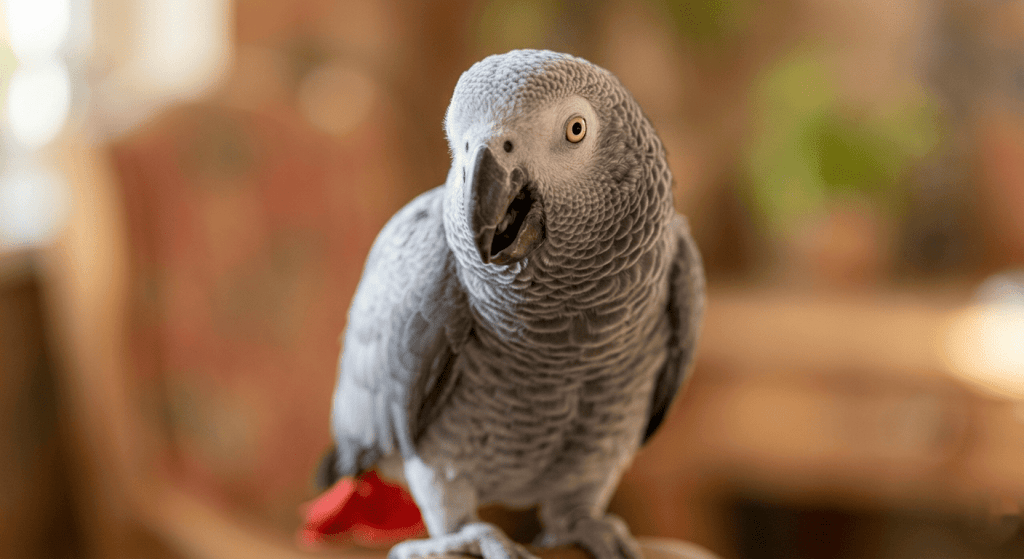
If we want a pet that will talk back to us (literally), birds are amazing.
Popular picks: African Grey parrots (they are geniuses), Macaws (the big rainbow ones), and Cockatoos.
The reality check: Birds are loud. Like, really loud. They are also incredibly smart and need tons of toys and attention to stop them from getting bored. And think long-term—these birds can live for 50 years or more. That is a lifelong roommate, not just a pet.
4. The Amphibians (The Wet Wonders)
These are the “look but don’t touch” pets. Their skin is super sensitive, so we can’t really hold them without special gloves.
The star of the show: The Axolotl. we’ve probably seen these little guys on social media. They are aquatic salamanders that always look like they are smiling. They blew up in popularity because of the game Minecraft!
The basics: They stay in water their whole lives, so we just need a big fish tank. They are pretty low-maintenance once the tank is set up.
5. The Creepy-Crawlies (Invertebrates & Bugs)
Yes, people keep tarantulas, scorpions, and giant cockroaches as pets.
Why? Because they are fascinating to watch, and they are incredibly cheap and easy to feed. A tarantula might eat one cricket a week.
The catch: Make sure you know if it’s venomous (most aren’t dangerous to humans, but you still don’t want a surprise bite). Also, they are escape artists, so make sure the lid is tight!
The “Trending” EXOTIC Pets Right Now
If you want to know what everyone is talking about in 2025, it’s the Axolotl and the Capybara (the giant, chill rodent that looks like a walking potato). Social media, especially TikTok, has made these animals incredibly famous. Just remember, they are famous for a reason—but don’t buy one just because it looked cute in a video. Do your homework first.
The Part Nobody Likes to Talk About (But You Need to Know!)
Look, I’m not trying to scare you off, but I want to be straight with you.
It costs money: The pet might be cheap, but the setup is not. A proper cage, special lights, humidity monitors, and exotic food add up fast.
Vets are hard to find: You can’t take a snake to your normal dog vet. You have to find an “exotic vet,” and they aren’t on every street corner. When they get sick, it gets expensive.
Check the laws: In some states or cities, owning a specific exotic pet is totally illegal. In other places, you need a special permit. Always check your local laws before you buy. You don’t want the government showing up to take your pet away.
Think about the future: Many reptiles live 20+ years. Parrots live 50+. If you are 25 right now, that parrot will be with you when you are 75. Are you ready for that kind of commitment?
My Final Two Cents
Exotic pets are incredible. They are interesting, beautiful, and can be great companions. But they are also a huge responsibility.
My best advice
Start small. If you are a beginner, go for something hardy like a bearded dragon or a corn snake. Don’t jump straight into buying a big parrot or a monkey (yes, people try to buy monkeys).
Take your time, read up on the specific species, and make sure you can provide the exact habitat they need. If you do it right, owning an exotic pet is one of the most rewarding experiences you can have. Good luck on your journey!
Disclaimer The information in this article is for educational and entertainment purposes only.


Pingback: Pocket Pets: Our Complete Guide To Tiny Exotic Companions | Paws & Antlers