Pocket Pets: our Complete Guide to Tiny Exotic Companions
So we want a pet, but maybe you don’t have the space for a dog. Or perhaps your landlord says “no cats.” Or maybe we

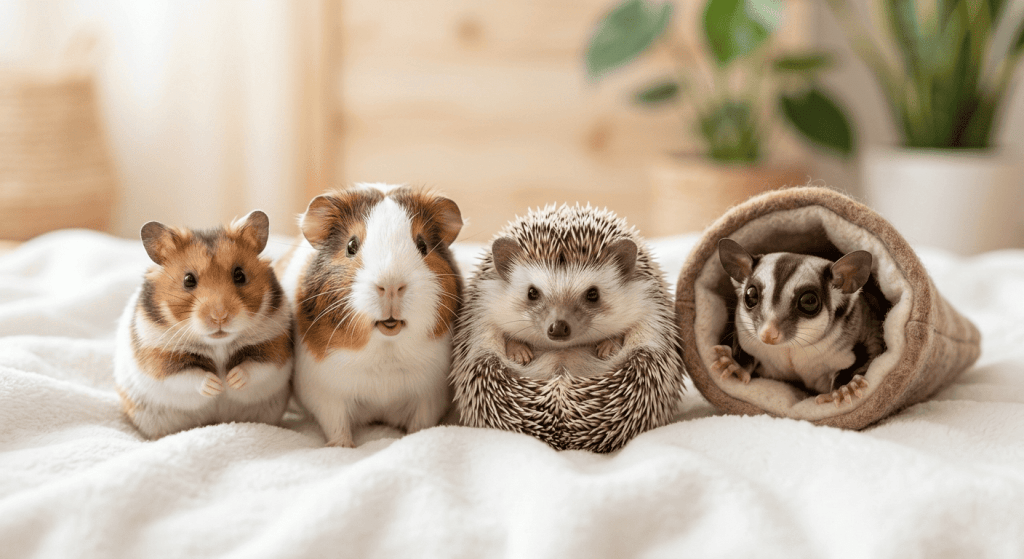
So we want a pet, but maybe you don’t have the space for a dog. Or perhaps your landlord says “no cats.” Or maybe we just think tiny animals are absolutely adorable. Whatever our reason, pocket pets might be exactly what we’re looking for.
Let me walk you through everything you need to know about these little guys.
The name says it all—pocket pets are small animals that can literally fit in our pocket. But before we imagine carrying a tiny Chihuahua around, let me clear something up. Pocket pets are usually rodents and small mammals like hamsters, guinea pigs, gerbils, mice, and rats. The term can also include more exotic options like hedgehogs, sugar gliders, ferrets, and chinchillas.
Basically, if it’s small, furry (or spiky), and fits in your hand, it probably counts as a pocket pet.
Here’s the thing though—just because they’re tiny doesn’t mean they don’t need real care. These little animals have big personalities and specific needs. You can’t just stick them in a shoebox and call it a day.
More than 4 million homes in the United States own at least one pocket pet. And honestly, I get why. Here’s what makes them so appealing:
They don’t take up much space. Unlike a dog that needs a yard or a cat that wants to roam, pocket pets are perfectly happy in a cage or terrarium. This makes them great for apartments, dorms, or anywhere with limited square footage.
They’re easier on the wallet. Small animals cost way less to feed and maintain than bigger pets. Their cages are cheaper, their food goes further, and most of them don’t live as long as cats or dogs, so the overall cost is lower.
They’re great for beginners. If you’ve never owned a pet before, starting small is a smart move. Pocket pets teach you responsibility—feeding, cleaning, and caring for another living thing—without being overwhelming.
They’re ridiculously cute. I mean, come on. Have you seen a hamster stuffing its cheeks with food? It’s impossible not to smile.
Let me break down the most common pocket pets so you can figure out which one might be right for you.
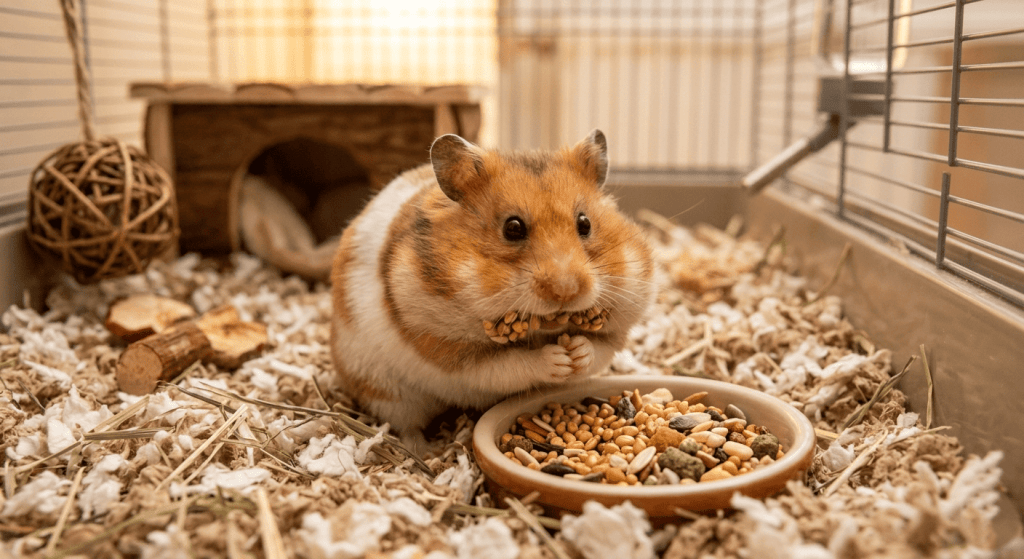
These little fluffballs are the classic pocket pet. Syrian hamsters are the bigger ones (they grow to about 6-7 inches), while dwarf hamsters are tiny—barely larger than a golf ball.
Hamsters are nocturnal, meaning they sleep during the day and party at night. If you’re a night owl, this could be perfect. If you’re a light sleeper, maybe not—those exercise wheels can get noisy!
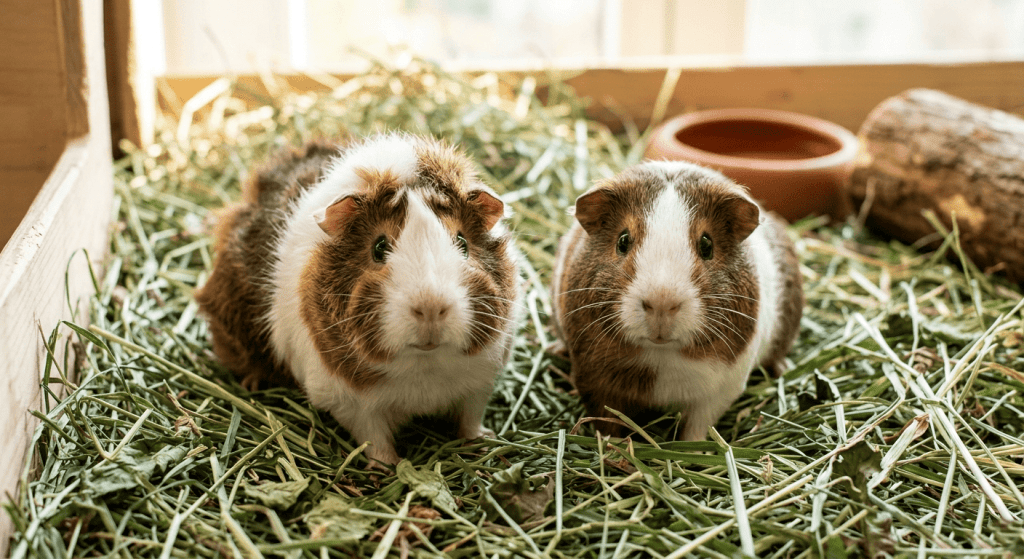
If you want a pet that actually recognizes you and gets excited when you walk in the room, guinea pigs are amazing. They make this adorable “wheeking” sound when they want food—and trust me, they always want food.
Unlike hamsters, guinea pigs are diurnal—active during the day. This makes them more interactive if you’re home during daylight hours.

Okay, I know what you’re thinking. “Rats? Really?” But hear me out. Pet rats are NOTHING like sewer rats. They’re incredibly intelligent, affectionate, and actually bond with their owners. They can learn tricks, come when called, and even use a litter box.
These little guys are energetic and curious. They love to dig and burrow, so they need a cage with deep bedding. They’re diurnal like guinea pigs, so they’re active during the day.
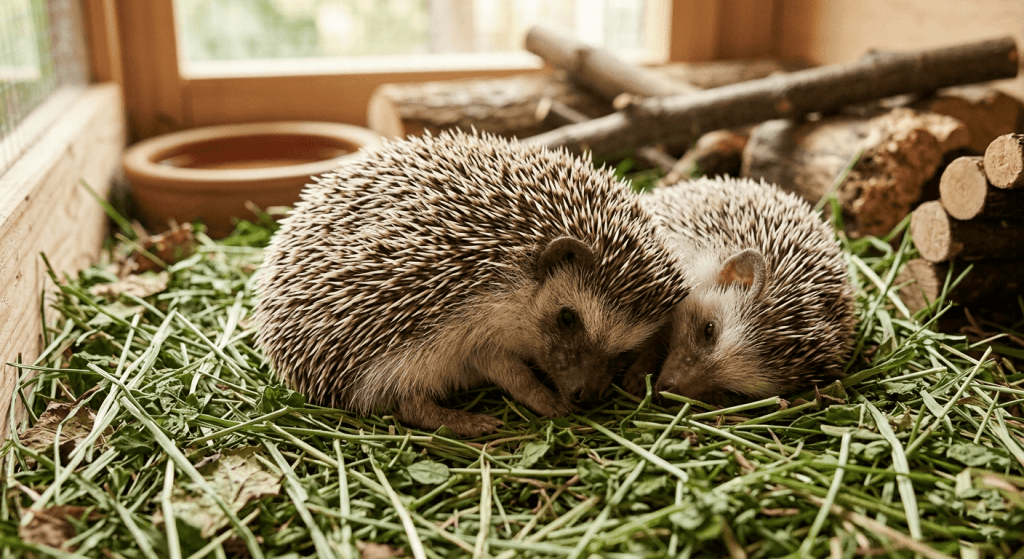
African Pygmy Hedgehogs have become super popular lately. They’re small—just 5-8 inches long and weighing 10-20 ounces. And yes, they’re spiky. But when they get comfortable with you, they uncurl and become surprisingly sweet.
These are the social butterflies of the pocket pet world. Sugar gliders are marsupials (like kangaroos!) that can glide through the air. They bond deeply with their humans and love to sleep in pouches or hoodie pockets.
But here’s the catch—they are HIGHLY social and should never be kept alone. They need a buddy of the same species.

Chinchillas are fluffy and adorable, but they’re not for everyone. They have the densest fur of any land animal, which means they can’t get wet—they take dust baths instead. They also live a really long time for a small pet.

Ferrets are basically furry little clowns. They’re curious, playful, and absolutely hilarious to watch. They’re most active at dawn and dusk, which works well if you’re home in the mornings and evenings.
No matter which pocket pet you choose, there are some universal rules you need to follow.
Set up the habitat BEFORE you bring them home. Have the cage ready with bedding, food dishes, a water bottle, and toys. Don’t bring your new pet home and then scramble to set things up.
Pay attention to temperature. Many pocket pets are sensitive to temperature changes. Hamsters like 68-75°F. Guinea pigs need 65-75°F. Chinchillas need it even cooler. Do your research.
Give them enrichment. Pocket pets get bored just like we do. They need tunnels, wheels, chew toys, and hiding spots. A bored pet is an unhappy pet.
Let them out of the cage. All pocket pets benefit from spending time outside their cages every day. Just make sure the room is safe and escape-proof.
Find a vet BEFORE you need one. Not all vets treat pocket pets. Find an exotic vet in your area and take your new pet for a checkup within the first week. Some pocket pets need annual exams and even vaccines.
Clean the cage regularly. Spot-clean daily and do a full cage cleaning weekly. But don’t change ALL the bedding at once—pocket pets rely on scent to feel secure.
The Important Stuff Nobody Talks About
Before you rush out to buy a pocket pet, there are some things you really need to know.
Check your local laws. Some pocket pets are illegal in certain places. Hedgehogs are banned in California, Georgia, and NYC. Sugar gliders are legal in most states but not all. Different cities and countries have different rules. Don’t assume—check first.
Think about the noise. Hamsters run on wheels all night. Sugar gliders are active in the evening. If you’re a light sleeper, put the cage in a different room.
Consider the smell. Some pocket pets have more odor than others. Mice, for example, have a distinct smell and need regular cage cleaning.
Prepare for vet costs. Exotic vet care is more expensive than regular vet care. Chinchillas can be pricey to maintain. Hedgehogs are prone to illness and need checkups every 6-12 months.
Don’t wake them up. If your pet is nocturnal (active at night), don’t wake them during the day to play. It stresses them out and can make them sick.
Pocket pets are wonderful companions. They’re cute, fascinating, and perfect for people who can’t have bigger animals. But they’re not “easy” pets—they’re just smaller pets. They still need proper food, clean habitats, vet care, and lots of love.
Do your homework before you bring one home. Research the specific species you’re interested in. Make sure you can provide the right temperature, the right diet, and the right amount of attention. And for goodness sake, check if they’re legal where you live!
If you do it right, you’ll have a tiny friend who brings you joy every single day. And honestly? That’s pretty amazing.
he information in this article is for educational purposes only. I am not a veterinarian. Laws, care requirements, and health needs for pocket pets vary. Always do your own research, check local regulations, and consult a licensed exotic veterinarian before bringing any pet into your home.
Pingback: The Cuban Spiky Isopod: The $1,200 Bug Taking Over The Pet World | Paws & Antlers
Pingback: Cuban Spiky Isopod Care Guide: Everything You Need To Know | Paws & Antlers
Pingback: 5 Best Exotic Pets For Beginners: A Guide To Unique Companions | Paws & Antlers