Cuban Spiky Isopod Care Guide: Everything You Need to Know
So you’ve heard about the Cuban Spiky Isopod. Maybe you saw one at a pet expo. Maybe you fell down an internet rabbit hole. And

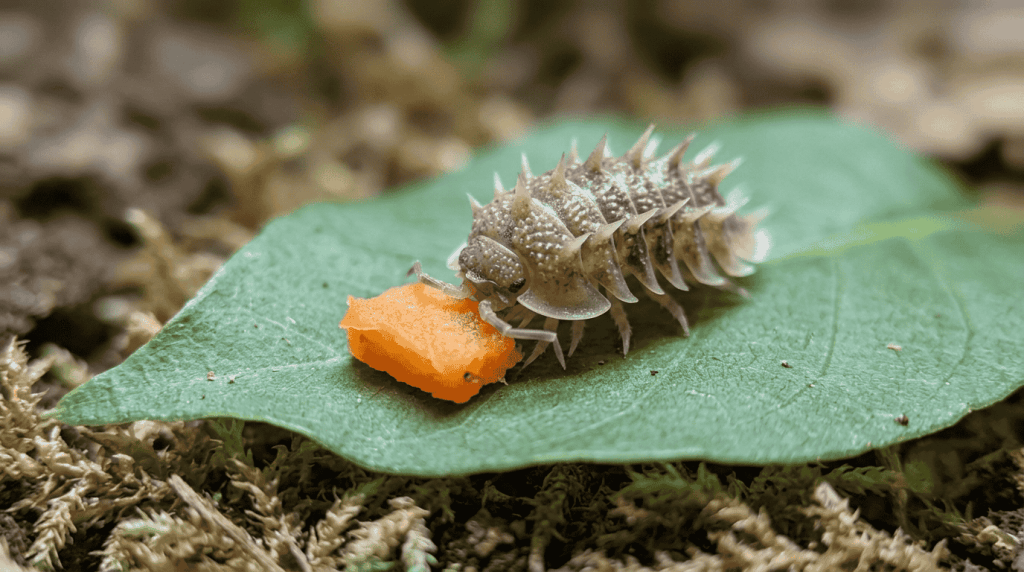
So you’ve heard about the Cuban Spiky Isopod. Maybe you saw one at a pet expo. Maybe you fell down an internet rabbit hole. And now you’re thinking about getting one.
I get it. These little guys are absolutely stunning. With their armored bodies covered in rows of sharp spikes, they look like tiny dragons from another world. But here’s the honest truth—these are not beginner pets.
Before you drop serious money on one of these rare creatures, let me walk you through exactly what it takes to keep them healthy and happy. Because trust me, they have some very specific needs.
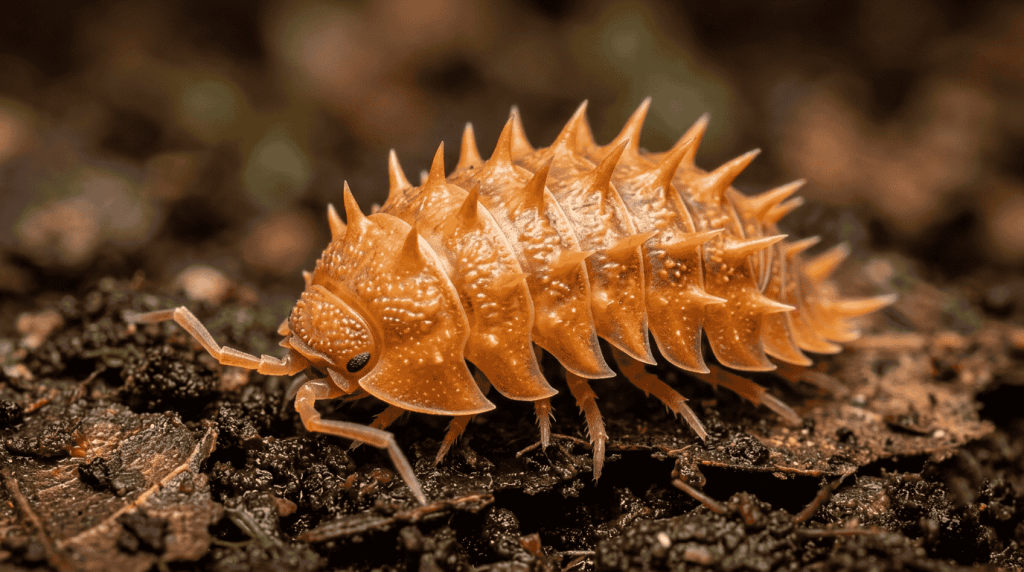
The Cuban Spiky Isopod (Pseudarmadillo spinosus) is a land-dwelling crustacean native to Cuba. They’re on the smaller side—adults reach about 10 millimeters (roughly the size of your pinkie fingernail).
They’re described as the “holy-grail species of isopod” by collectors. Their bodies are covered in raised spines with a rough, sculpted texture in earthy browns, grays, and tans. Under macro photography, they look absolutely incredible.
But here’s the catch—they’re slow breeders and have advanced care requirements. This isn’t a species you can just toss in a tub and forget about.
Every reputable seller will tell us the same thing: Cuban Spikies are for experienced keepers.
They’re sensitive to setup mistakes. They reproduce slowly. And if we get something wrong, we might not realize it until it’s too late.
Who is this pet for?
Who should avoid this pet?
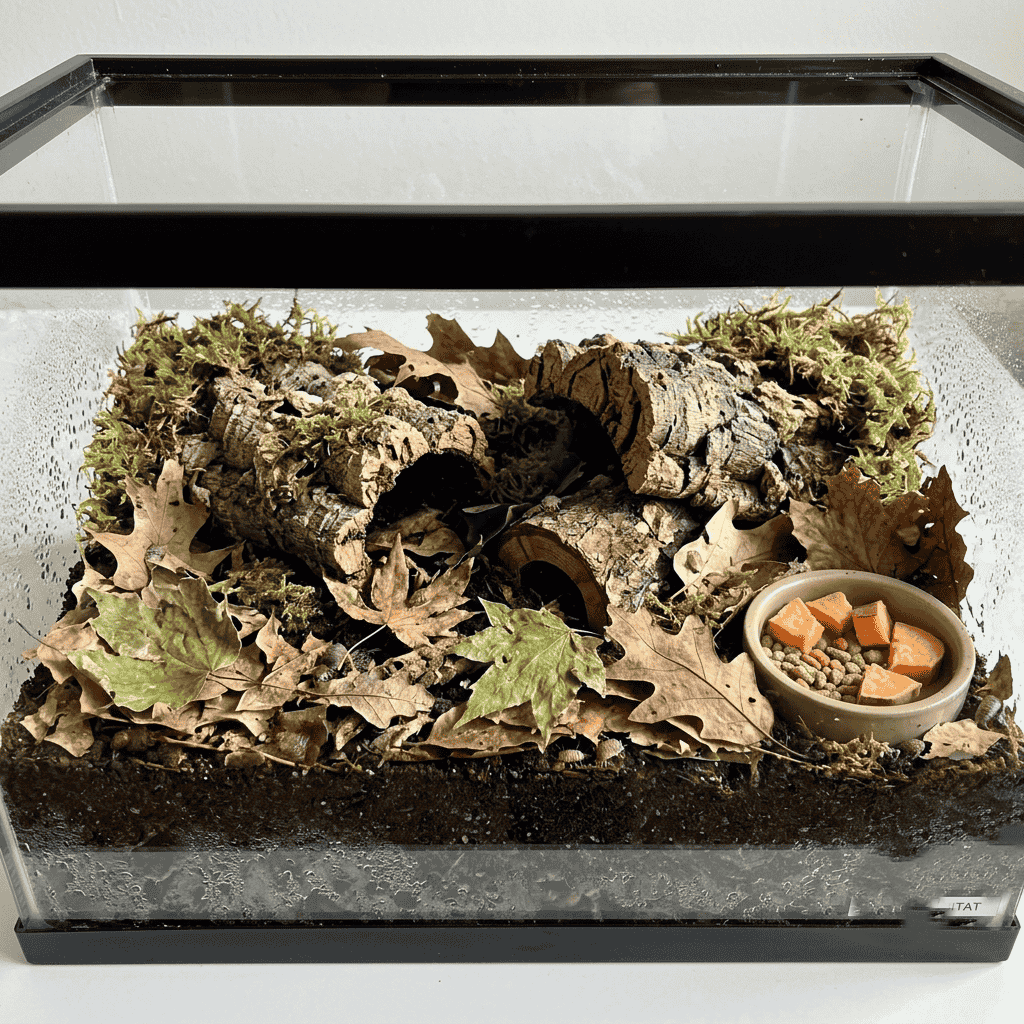
These isopods need a secure, well-ventilated enclosure. You can use a plastic tub or a glass terrarium—just make sure it has a tight-fitting lid (they can climb and escape!) and plenty of ventilation.
Size: A medium-sized container works fine since they’re small creatures. But don’t overcrowd them.
Ventilation is critical. These isopods need steady airflow. Too little ventilation and you’ll get mold and stagnant conditions. Too much and you’ll dry them out. Aim for medium ventilation.
The substrate is the foundation of their entire habitat. Get this right, and you’re halfway there.
Here’s what you need:
Pro tip: Add sphagnum moss to help retain moisture in specific areas. This creates a moisture gradient, which is exactly what they need.
Cuban Spikies come from a warm climate. They need consistent temperatures to thrive.
Target range: 72-85°F (22-29°C)
Some sources give a slightly broader range of 68-82°F (20-28°C). Either way, keep it warm and stable.
What to avoid:
Pro tip: Use a heat mat on one side of the enclosure to create a temperature gradient. This lets them choose where they’re most comfortable.
This is where many keepers go wrong. Cuban Spikies need medium to high humidity with a clear moisture gradient.
Target humidity: Around 75-85%
The moisture gradient concept:
How to maintain humidity:
Warning signs:
Cuban Spikies are slow eaters. Don’t expect them to devour food overnight. They nibble slowly and steadily.
Base diet (always available):
Supplemental foods (offer regularly):
Calcium is essential: Always provide a calcium source like cuttlefish bone or limestone in the enclosure. They need it for healthy molting and shell development.
What to avoid:
Feeding schedule: Feed twice a week, removing uneaten food to prevent mold.
If you’re hoping to breed Cuban Spikies, you need to know one thing upfront: they are slow breeders.
Each brood produces only about 10 offspring. This is part of what makes them so rare and expensive in the pet trade.
Tips for breeding success:
Mistake #1: Not enough ventilation. These isopods need airflow. Stagnant, humid conditions lead to mold and death.
Mistake #2: Overwatering. Keep it damp, not wet. Waterlogged substrate is a killer.
Mistake #3: Forgetting calcium. Without calcium, they can’t molt properly. This is non-negotiable.
Mistake #4: Using wild-collected materials. Always use pesticide-free, organic substrate and leaf litter. Chemicals will kill your colony.
Mistake #5: Overfeeding. Uneaten food molds and creates unhealthy conditions. Feed small amounts twice a week.
Mistake #6: Buying from questionable sources. Make sure you’re getting captive-bred isopods, not wild-caught ones. Wild collection threatens wild populations and often results in unhealthy animals.
| Parameter | Requirement |
|---|---|
| Temperature | 72-85°F (22-29°C) |
| Humidity | 75-85%, with moisture gradient |
| Ventilation | Medium, steady airflow |
| Substrate | Organic soil + leaf litter + rotting wood |
| Diet | Leaf litter, wood, fish food, vegetables, calcium |
| Watering | Twice a week (light misting) |
| Feeding | Twice a week (small amounts) |
| Breeding rate | Very slow (~10 offspring per brood) |
| Care level | Advanced |
Cuban Spiky Isopods are absolutely stunning creatures. They’re the kind of pet that makes people stop and stare. But they’re not for everyone.
If you’re new to isopods, start with an easier species. Get your experience. Learn the basics. Then, when you’re ready, come back to these little armored beauties.
If you’re an experienced keeper and you’re willing to be patient, consistent, and attentive—go for it. These are incredibly rewarding pets. Just remember: slow and steady wins the race with Cuban Spikies.
Disclaimer
The information in this article is for educational purposes only.
About the Author
Hi, I’m [Huma Sham]. I’ve been fascinated by exotic pets for years and love helping people understand what it really takes to care for unusual animals. When I’m not writing, I’m usually reading about wildlife or planning my next trip to a reptile expo. Thanks for reading—and please, always do your research before bringing any animal into your home.