
What is best to Feed Sugar Glider
Hi seekers! Sugar gliders are undeniably adorable. They’re small, they bond deeply with their owners, and they can fit in your pocket. But in my
Hi seekers! Sugar gliders are undeniably adorable. They’re small, they bond deeply with their owners, and they can fit in your pocket. But in my
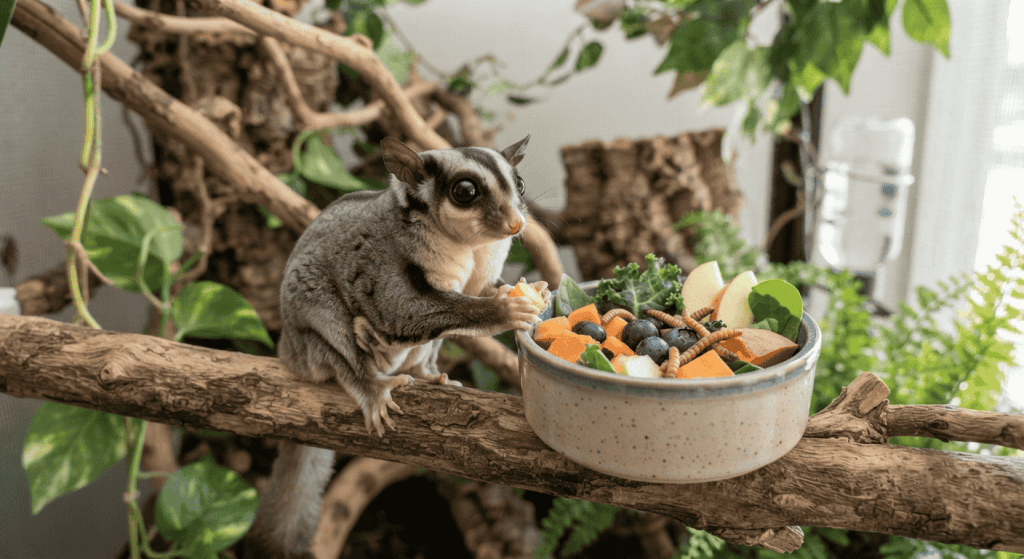
Hi seekers! Sugar gliders are undeniably adorable. They’re small, they bond deeply with their owners, and they can fit in your pocket. But in my experience as a long-time exotic pet keeper, I’ve seen too many of these little marsupials suffer from entirely preventable health problems—thin, lethargic gliders with weak limbs, or lone gliders with self-inflicted wounds from chronic stress.
Their complex social, dietary, and husbandry requirements mean they are not a beginner pet. However, with proper care, they can live 12 to 14 years in captivity. This guide covers the non-negotiables of sugar glider care: what to feed them for optimal health, and the most common diseases you need to prevent.
In the wild, sugar gliders are opportunistic omnivores. They eat the sap and gum of eucalyptus and acacia trees, nectar, pollen, and a wide variety of insects.. In captivity, replicating this balanced, varied diet is the single most important thing you can do to keep them healthy. The majority of non-traumatic health problems in sugar gliders are directly related to nutrition.
Here’s a practical breakdown of what a healthy diet should look like.
A good rule of thumb is to aim for a diet that is roughly 50% high-quality protein and 50% fresh produce (fruits and vegetables). Their daily food intake should be approximately 15-20% of their body weight.
🦗 Protein Sources (The “Hunter” Portion):
🍎 Fruits and Vegetables (The “Gatherer” Portion):
Many vets recommend that about 1/3 of the diet consist of a nutritionally balanced pelleted kibble. A pellet specifically formulated for insectivores is ideal. This provides a consistent nutritional baseline.
There is plenty of unregulated nutritional information online for sugar gliders, and the science is constantly evolving. Two diets with the most research behind them are the BML diet (Bourbon’s Modified Leadbeater’s) and the TPG diet (The Pet Glider Fresh Diet).
Many sources recommend a nectar or sap-based mixture making up the bulk of the diet. Others suggest commercial nectars or specific mixes like Leadbeater’s. The key is consistency and balance. Do not feed a homemade diet without consulting a veterinarian who is an expert in sugar gliders.
Diet is critical, but so is knowing what can harm them:
Many health problems in sugar gliders are linked to diet and stress. Here are the most common issues to watch for:
What it is: This is the most common and devastating nutritional disease in sugar gliders. It’s caused by a calcium-to-phosphorus imbalance—too much phosphorus relative to calcium in the diet.
What it looks like: Weakness, difficulty climbing, hind leg dragging, and eventually, soft or broken bones.
Prevention: Prevention is simple and crucial. Feed a balanced diet, gut-load insects with calcium, and dust insects with a calcium supplement that contains vitamin D3 (which helps absorb the calcium).
What it is: Obesity is a common problem, often caused by feeding too many high-sugar foods. Dental disease occurs when they are fed high-sugar or soft diets.
What it looks like: For obesity, look for a visibly overweight glider that is less active. For dental problems, you may see bad breath, drooling, or a reluctance to eat. This can lead to painful infections and “lumpy jaw.”
Prevention: Limit fruit intake, avoid sugary treats, and offer hard-bodied insects (like crickets or mealworms) to help reduce dental tartar.
What it is: Gliders can be infected with parasites like Giardia and Cryptosporidium, which can cause diarrhea, vomiting, and weight loss. They can also develop bacterial infections from Pasteurella (often from rabbits) or other bacteria.
What it looks like: Symptoms are often vague but include diarrhea, loss of appetite, weight loss, and depression.
Prevention: Wash your hands thoroughly after handling your gliders or cleaning their cage. Keep cat feces away from them to prevent toxoplasmosis, which is often fatal.
What it is: Sugar gliders are highly social animals. When kept alone, they can develop severe stress, depression, and self-mutilation (often chewing on their own tails or limbs).
What it looks like: Pacing, overgrooming, fur loss, or open wounds from biting themselves.
Prevention: Do not keep a sugar glider alone. They must be housed in pairs or groups. They also need at least 2 hours of social interaction with their owners each night.
To keep your sugar glider healthy and thriving:
A: In the wild, they are omnivores. They consume sap, gum, fruits, insects, and occasionally small vertebrates or bird eggs. At home, their diet must be balanced with protein (insects), nectar-based mixtures, and fresh fruits/vegetables.
A: Metabolic Bone Disease (MBD) is very common in sugar gliders if they do not receive the correct ratio of calcium. Their diet must always contain more calcium than phosphorus to prevent them from losing calcium from their own bones.
A: Never feed them chocolate, caffeine, onions, garlic, or excessive sugar in processed foods. Some fruits, such as grapes, can also be harmful in certain cases, so always refer to a trusted “safe-list.”
A: Yes, insects (like mealworms or crickets) are essential for protein. Remember to “gut-load” the insects—feeding them nutrient-rich vegetables—before offering them to your gliders.
A:Weight loss: If the glider appears lethargic or is losing weight.
Fur loss: Shedding fur can be a sign of stress or nutritional deficiency.
Appetite: If they are not consuming their normal diet.
Stool changes: Any changes in stool may indicate an upset stomach or the presence of parasites.
Note: There are various “proven” diet plans for sugar gliders (such as TPG, BML, or the Priscilla Price diet) available online. Always consult with an exotic pet veterinarian before starting any new diet for your glider.
How Casinos Are Rebounding After COVID-19: Recovery Strategies Revealed The COVID-19 pandemic has had a
Олимп казино официальный сайт в Казахстане – Olimp Casino ▶️ ИГРАТЬ Содержимое Преимущества игры в
Олимп казино официальный сайт в Казахстане – Olimp Casino ▶️ ИГРАТЬ Содержимое Преимущества игры в
Олимп казино официальный сайт в Казахстане – Olimp Casino ▶️ ИГРАТЬ Содержимое Преимущества игры в
Олимп казино официальный сайт в Казахстане – Olimp Casino ▶️ ИГРАТЬ Содержимое Преимущества игры в
Олимп казино официальный сайт в Казахстане – Olimp Casino ▶️ ИГРАТЬ Содержимое Преимущества игры в