Poison Dart Frog Named Pet of the Year 2026 – Complete Guide
Imagine a pet so colorful that it looks like a tiny living jewel. Now imagine that same pet has a name that sounds dangerous—but in

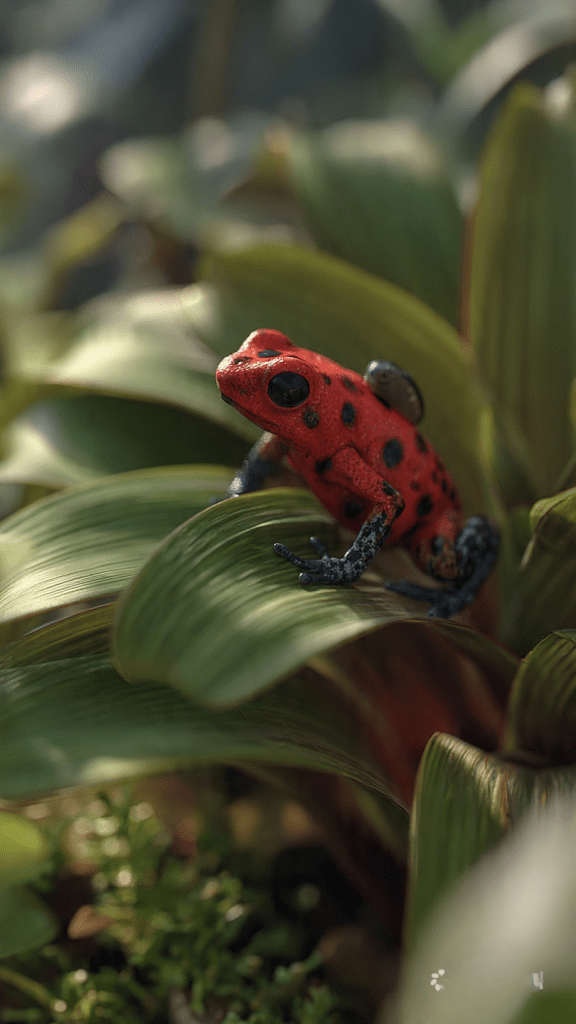
Imagine a pet so colorful that it looks like a tiny living jewel. Now imagine that same pet has a name that sounds dangerous—but in reality, it’s completely safe to keep.
That’s the poison dart frog. And in 2026, this stunning little amphibian has officially been named Pet of the Year by one of Europe’s biggest pet industry organizations.
Let me walk you through everything you need to know about this exciting announcement—and why it matters for anyone interested in exotic pets.
Every year, the Central Association of Zoological Enterprises of Germany (ZZF) picks one animal to shine a spotlight on. It’s not just about picking a cute animal. The ZZF wants to:
A jury made up of biologists, veterinarians, pet shop owners, industry experts, and breeders votes on the winner. For 2026, they chose the poison dart frog.
And honestly? It’s a brilliant choice.
The ZZF also used the occasion of World Frog Day on March 20, 2026 to further highlight this fascinating amphibian and its care requirements. This double exposure—the Pet of the Year award plus World Frog Day—has put poison dart frogs squarely in the global spotlight.
The ZZF board member Volker Ennenbach explained it perfectly:
“With its intense colors, active and social behavior, and extremely interesting brood care, the poison dart frog represents the impressive diversity of tropical amphibians.”
But there’s more to it. The ZZF also wanted to highlight the responsibility that comes with keeping these animals. Poison dart frogs are stunning, yes. But they’re also demanding to care for. This award isn’t just about celebrating their beauty—it’s about educating people on what it really takes to keep them healthy and happy.
The award serves multiple purposes:
| Purpose | Why It Matters |
|---|---|
| Highlight underrated pets | Dart frogs are often overlooked compared to reptiles or mammals |
| Raise welfare awareness | These frogs need very specific conditions to thrive |
| Promote conservation | Captive breeding helps protect endangered species |
| Educate the public | Many people don’t know captive-bred dart frogs are harmless |
Here’s the first thing you need to know: captive-bred poison dart frogs are NOT poisonous.
I know, the name is scary. But here’s how it works:
In the wild, poison dart frogs get their toxins by eating specific mites and insects that contain alkaloid chemicals. Those insects don’t exist in captivity. So when these frogs are bred in terrariums, they never develop the poison.
Here’s the science behind it:
Poison dart frogs aren’t born poisonous. They become poisonous by accumulating toxins from their diet. The alkaloids are ingested and then transported to the frog’s skin via specialized transport proteins. When a predator attempts to bite or handle the frog, the glands release the toxins.
In captivity, dart frogs are fed fruit flies, springtails, and other commercially available insects. These insects are raised on controlled diets that don’t contain the alkaloids needed for the frogs to become poisonous. As a result, captive-bred frogs never develop the ability to produce toxins. Even wild-caught poison dart frogs will gradually lose their toxicity in captivity as they deplete their stores of alkaloids.
Only three species are actually dangerous to humans in the wild. The most poisonous one is called Phyllobates terribilis—which translates to “the terrible poison dart frog”.
The indigenous Chocó people of Colombia used to coat their arrow tips with the frogs’ skin secretions for blowgun hunting. That’s where the name comes from. But in your terrarium? These frogs are completely harmless.
Can you handle them?
Captive-bred poison dart frogs are non-toxic and pose no threat of poisoning. You can handle them safely with clean, moist hands or gloves. But here’s the thing—you should only handle them when absolutely necessary, primarily to protect the frog’s delicate skin from oils and bacteria on your hands. These are “look but don’t touch” pets for the most part.
Poison dart frogs belong to the Dendrobatidae family. Their scientific name translates to “those who climb trees.”
They’re native to the humid rainforests of Central and South America, from Nicaragua down to Brazil. Depending on the species, they live anywhere from the forest floor to several meters up in trees, hiding in plants like bromeliads or tree forks.
How many species are there?
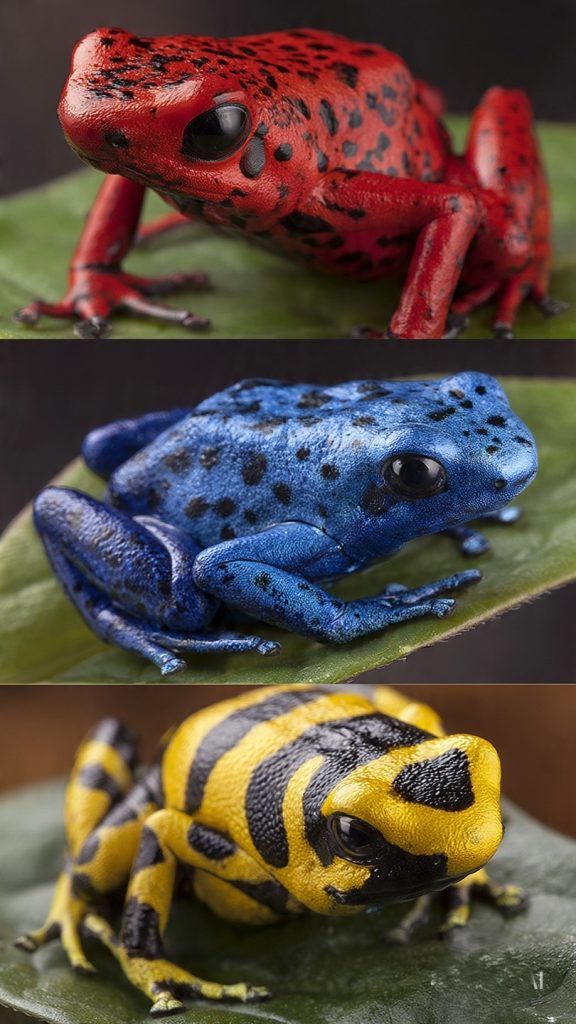
The Dendrobatidae family currently contains about 16 genera with around 200 species. They come in an incredible range of colors—bright red, deep blue, emerald green, with spots, stripes, or patches. Some even look like they’re wearing bumblebee stripes.
Size range:
Despite their small size, these frogs are diurnal—active during the day—which makes them perfect for observation. Unlike many frogs that only come out at night, dart frogs are out and about when you’re awake to enjoy them.
Here’s the honest truth: poison dart frogs are not beginner pets.
They’re what experts call “demanding” or “care-intensive.” But for the right person, they’re incredibly rewarding.
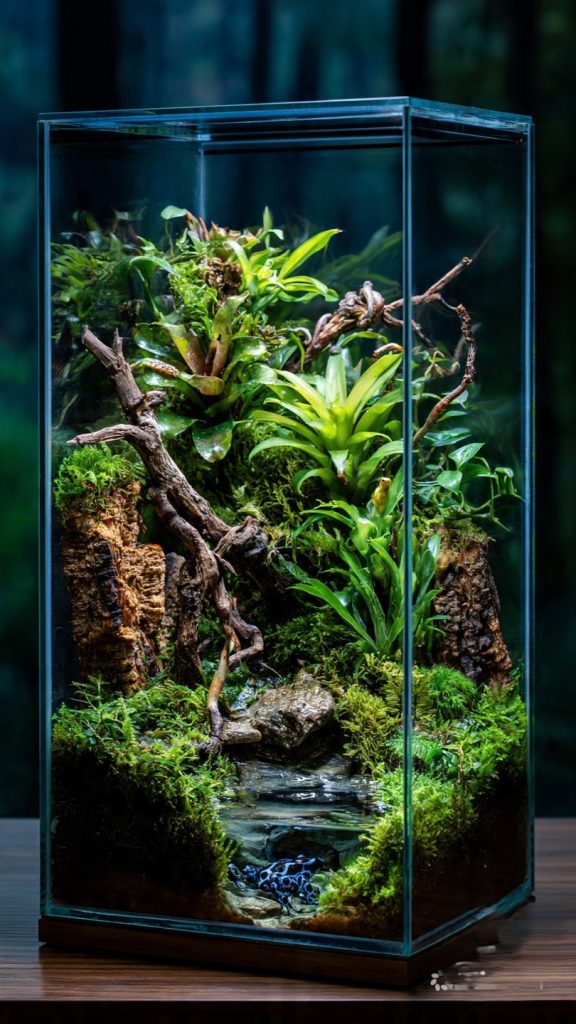
Start with a glass terrarium. For a single frog or a pair, a minimum of a 10-gallon vertical terrarium (like a 12×12×18 inch Exo Terra) works well. For groups, you’ll need something larger—18×18×24 inches or bigger.
Key features of a proper setup:
Bromeliads play a special role. They form so-called phytotelmata—small water-filled cavities that serve as natural breeding sites. The males of some species carry their young “piggyback” to these water sources.
Maintain stable, moderate temperatures:
Important: Avoid temperatures over 82°F—they can be fatal. Most setups don’t require supplemental heat if kept in a temperature-controlled room.
This is where many keepers go wrong. Dart frogs need high, stable humidity:
How to maintain humidity:
Provide a 12-hour light/dark cycle using a timer.
Dart frogs are micro-insectivores—they eat tiny, live insects.
Staple foods:
Feeding guidelines:
How many to feed: Typically 20 to 50 fruit flies per frog, depending on their size and appetite.
Supplementation is absolutely essential:
Why supplementation matters: Captive dart frogs don’t have access to the same nutrient-rich environment as their wild counterparts. Without proper supplementation, they can develop nutritional deficiencies that affect their bone health, growth, and vibrant coloration.
Important feeding tips:
Dart frogs hydrate through their skin.
One of the most fascinating aspects of dart frogs is their extraordinary parental care.
Depending on the species, males or females carry newly hatched tadpoles on their backs and transport them to water-filled plant structures like bromeliad axils or tree holes.
The breeding process:
This level of parental care is rare among amphibians and makes dart frogs particularly interesting to observe and breed in captivity.
Here’s something you might not know: keeping certain endangered species as pets can actually help protect them in the wild.
Many poison dart frog species are threatened by deforestation and mining in their natural habitats. Their populations are often confined to tiny areas just a few square kilometers wide.
The conservation challenges:
How captive breeding helps:
When responsible breeders raise these frogs in captivity, it:
But there’s a catch: You must make sure you’re buying captive-bred frogs, not wild-caught ones. Wild capture can further endanger already-threatened populations.
Even with the best care, dart frogs can face health issues. Here’s what to watch for:
Key to prevention: Stable, well-maintained environments with regular care, cleaning, and monitoring.
With proper husbandry, poison dart frogs can live 10-15 years in captivity.
That’s a significant commitment. These aren’t pets you’ll have for a year or two—they’re decade-long companions. Before you bring one home, ask yourself if you’re ready for that level of responsibility.
Only you can answer that. But here are some questions to ask yourself:
If you answered “yes” to all of these, a poison dart frog might be a great fit for you. If you’re not sure, start with something easier—like a crested gecko or a corn snake—and work your way up.
Good beginner species to consider:
The poison dart frog being named Pet of the Year 2026 is a huge deal for the exotic pet community. It’s putting these stunning amphibians in the spotlight—not just for their beauty, but for the responsibility that comes with keeping them.
What makes them special:
| Quality | Why It Matters |
|---|---|
| Vibrant colors | They’re living works of art |
| Diurnal activity | You can actually watch them during the day |
| Fascinating behavior | From calling to piggyback parenting |
| Captive-bred safety | Completely non-toxic when bred in captivity |
| Conservation value | Captive breeding helps protect endangered species |
The challenges:
| Challenge | What It Means |
|---|---|
| Demanding care | Specific temperature, humidity, and diet requirements |
| Live food only | No pellets or flakes—only live insects |
| Delicate skin | Minimal handling required |
| Long commitment | 10-15 year lifespan |
| Cost | Proper setup and ongoing care aren’t cheap |
They’re colorful, fascinating, and completely safe to keep when captive-bred. But they’re also demanding. They need the right setup, the right climate, and the right diet.
If you’re up for the challenge, you’ll be rewarded with one of the most beautiful and interesting pets you could ever own. Just remember: do your homework first. The frogs will thank you for it.
| Parameter | Requirement |
|---|---|
| Enclosure size | Minimum 10-gallon vertical for pair; 18×18×24+ for groups |
| Substrate | Bioactive (drainage layer + ABG mix + leaf litter) |
| Temperature (day) | 72–80°F (22–28°C) |
| Temperature (night) | 68–70°F (around 20°C) |
| Humidity | 70–100% (ideally 80–100%) |
| Lighting | 12-hour cycle, full-spectrum LED |
| Diet | Live insects (fruit flies, pinhead crickets, springtails) |
| Supplements | Calcium + D3 every feeding; multivitamin weekly |
| Feeding frequency | Daily for juveniles; 3-5 times weekly for adults |
| Lifespan | 10-15 years |
| Care level | Advanced |
Disclaimer
The information in this article is for educational purposes only.
About the Author
Hi, I’m [Huma Sham. I’ve been fascinated by exotic pets for years and love helping people understand what it really takes to care for unusual animals. When I’m not writing, I’m usually reading about wildlife or planning my next trip to a reptile expo. Thanks for reading!
You might also like:
Pingback: New Species Discoveries In 2026: Meet The Animals That Could Become The Next Pet Stars | Paws & Antlers
Pingback: The Snake And The Frog: A Personal Reflection On Nature's Most Unlikely Arms Race | Paws & Antlers