Cuban Spiky Isopod Care Guide: My Personal Experience with the Holy Grail of Isopods
When I first heard about the Cuban Spiky Isopod (Pseudarmadillo spinosus), I was immediately captivated. A tiny creature that looks like a miniature dragon, covered

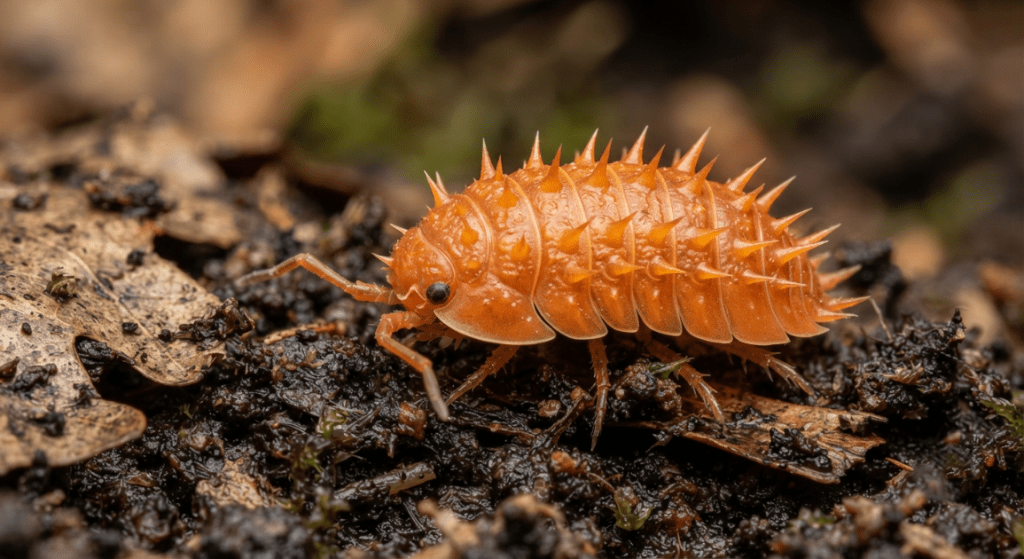
When I first heard about the Cuban Spiky Isopod (Pseudarmadillo spinosus), I was immediately captivated. A tiny creature that looks like a miniature dragon, covered in sharp spines, fetching prices of $350 to $425 for a starter culture—and sometimes even more. It sounded almost mythical. So when I finally got my hands on a small group, I was both thrilled and terrified. I knew this wasn’t going to be like keeping my trusty Porcellio or Armadillidium species.
This is the “holy grail” for a reason. They are slow to breed, sensitive to mistakes, and absolutely stunning to photograph under macro lighting. After months of trial and error, my colony is finally stable and producing mancae (baby isopods). Here’s everything I learned—the good, the bad, and the spiky.
Before we dive into the setup, let me be completely honest with you. The Cuban Spiky is not a beginner’s isopod.
They require patience, attention to detail, and a willingness to learn from mistakes. Their care is considered advanced. They reproduce slowly, with each brood producing only about 10 offspring. This isn’t a species that will explode in numbers and reward you with a booming colony in a few months.
Think of them as a long-term collector project rather than a quick-breeding culture. They are also better suited as pets rather than for bioactive setups. Their specialized needs make them delicate in mixed-species environments.
Quick Reference Card:

My first setup was too small and didn’t have enough ventilation. I lost a couple of isopods before I realized my mistake. Don’t let that happen to you.
The Container:
Cuban Spikies are escape artists. You need a secure, well-ventilated enclosure with a tight-fitting lid. I use a plastic storage tub, but a glass terrarium works too. The key is ventilation—medium, steady airflow. Too little, and you get mold and stagnant air. Too much, and the substrate dries out. I found that a few rows of small holes on the sides, just above the substrate line, works perfectly.
Size Matters:
Don’t overcrowd them. A medium-sized container (around 6-10 quarts) is fine for a starter culture. They need space to establish their own territories and breed.
Important: Locking lids are optional but provide added security. These little guys can climb surprisingly well.
I can’t stress this enough: Cuban Spikies need a clear moisture gradient. This means one side of the enclosure is damp, and the other side is drier.
Why? Isopods have gills and need moisture to breathe. But they also need a place to escape if the environment gets too wet. A moisture gradient allows them to self-regulate.
How I set it up:
Pro Tip: To avoid drowning babies, I use a tube that goes to the bottom of the substrate to pour water in, keeping the humidity up without flooding the surface.
The substrate is the foundation of their home. Cuban Spikies need a moist, deep substrate that mimics their natural environment.
The Base Mix:
I use a combination of organic soil, coconut fiber, and a bit of sand. The substrate should be at least 2–3 inches deep. This gives them room to burrow, hide, and molt.
Key Ingredients:
The “Never-Wet” Rule:
The substrate should be kept moist but not wet. There should never be standing water at the bottom of the enclosure. Too much water can cause bacteria to build up and kill your isopods.
Temperature:
Cuban Spikies prefer temperatures between 70–85°F (21–29°C). More precisely, I keep mine around 72–78°F (22–26°C). If your room temperature is stable, you may not need additional heating. If not, use a heat mat on one side of the enclosure to create a gentle temperature gradient.
Humidity:
They need medium to high humidity with a clear moisture gradient. I mist the damp side twice a week and check the substrate regularly.
Warning Signs:
Cuban Spikies are slow eaters. Don’t expect them to devour food overnight. Overfeeding leads to mold, which can be deadly.
Base Diet (Always Available):
Supplemental Foods:
Calcium:
I always have a piece of cuttlebone in the enclosure. I also sprinkle calcium powder on their food. Without calcium, they can’t molt properly.
What to Avoid:
Feeding Schedule: I feed them twice a week and remove uneaten food after 24 hours.
If you’re hoping to breed Cuban Spikies, you need to know one thing upfront: they are slow breeders. Each brood produces only about 10 offspring.
Tips for Breeding Success:
One breeder noted that they’ve been breeding fairly consistently in a stable setup. It takes time, but it’s incredibly rewarding when you finally see those tiny mancae.
| Mistake | Why It’s Bad |
|---|---|
| Not enough ventilation | Stagnant, humid conditions lead to mold and death. |
| Overwatering | Keep it damp, not wet. Waterlogged substrate is a killer. |
| Forgetting calcium | Without calcium, they can’t molt properly. |
| Using wild-collected materials | Always use pesticide-free, organic substrate and leaf litter. |
| Overfeeding | Uneaten food molds and creates unhealthy conditions. |
| Frequent disturbance | Cuban Spikies are shy and stress easily. |
| Buying from questionable sources | Make sure you’re getting captive-bred isopods, not wild-caught ones. |
Yes. Absolutely yes.
Cuban Spiky Isopods are stunning, fascinating, and absolutely worth the effort—if you’re ready for the challenge. They’re not for beginners. They’re slow to breed, sensitive to mistakes, and require consistent, patient care.
But for the experienced keeper willing to put in the work, they’re one of the most rewarding species you can keep. Watching them explore their enclosure, photographing their incredible textures under macro lighting, and finally seeing those tiny babies—it’s an experience like no other.
One more thing: make sure you’re buying from reputable breeders who can prove their stock is captive-bred. Wild-caught Cuban Spikies are contributing to a conservation crisis, and responsible keepers should only buy ethically sourced animals.
Here are the most common questions about caring for Cuban Spiky Isopods (Pseudarmadillo spinosus), with clear, practical answers based on experience and expert advice.
A: Cuban Spikies need a secure, well-ventilated enclosure with a tight-fitting lid. They’re excellent climbers and escape artists! A plastic storage tub with ventilation holes or a glass terrarium with a tight-fitting, ventilated lid works well. For ventilation, aim for medium, steady airflow—too little leads to mold, too much dries out the substrate.
A: Use a mix of organic soil, coconut fiber, and a bit of sand. The substrate should be at least 2–3 inches deep and kept moist (but not wet). Add leaf litter (oak, beech, or magnolia) and pieces of rotting wood or cork bark. Leaf litter is their primary food source and provides essential cover.
A: Cuban Spikies need both damp and drier areas in their enclosure. They have gills and need moisture to breathe, but they also need a place to escape if it gets too wet. A moisture gradient allows them to self-regulate. Create this by having sphagnum moss on one side (damp) and leaf litter on the other (drier).
A: Mist the damp side twice a week with dechlorinated water. To avoid drowning babies, use a tube that goes to the bottom of the substrate to pour water in, keeping humidity up without flooding the surface. The substrate should be moist but never have standing water at the bottom.
A: They prefer 72–78°F (22–26°C). They can tolerate 70–85°F (21–29°C), but consistency is key. If your room temperature is stable, you may not need additional heating. If not, use a heat mat on one side of the enclosure to create a gentle temperature gradient.
A: They need medium to high humidity (70–80%) with a clear moisture gradient. Mist the damp side twice a week and check the substrate regularly. Too dry and they’ll struggle to molt; too wet and you’ll get mold or drowned isopods.
A: Below 65°F (18°C), they’ll slow down significantly and may die. Above 86°F (30°C), they’ll overheat. Avoid sudden temperature changes.
A: They’re slow eaters and need a varied diet:
Base diet: Leaf litter (always available) and decaying wood
Supplements: Fish food (flakes or pellets), yams, root vegetables (sweet potato, carrot), commercial isopod food, and occasional light protein
Calcium: Always available—cuttlebone, calcium powder, or crushed eggshells
A: Feed twice a week in small amounts. Remove uneaten food after 24 hours to prevent mold. Don’t overfeed—they nibble slowly, and mold is a common killer.
A: Avoid:
Citrus fruits (too acidic)
Onions and garlic (toxic to invertebrates)
Processed human foods (salt and preservatives)
More food than they can eat (it will mold)
Q: Do they need calcium?
A: Absolutely essential. Without calcium, they can’t molt properly or maintain their spiky shells. Provide cuttlebone, calcium powder, or crushed eggshells at all times.
A: They are very slow breeders. Each brood produces only about 10 offspring (mancae). This is part of what makes them so rare and expensive.
A: It takes patience. With stable conditions, consistent warmth, and a moisture gradient, they will breed—but slowly. Don’t expect a booming colony in a few months. This is a long-term project.
A:
Stable temperatures (72–78°F)
Clear moisture gradient
Constant calcium availability
Minimal disturbance
Consistent feeding and watering schedule
A: Cuban Spikies are sensitive to disturbance. Do spot cleaning as needed (remove uneaten food, clean up mold) rather than deep cleaning. They benefit from a stable environment.
A: It’s not recommended. They’re better kept as pets rather than in mixed-species setups due to their specialized needs. They’re also slow to reproduce and could be outcompeted by faster-breeding species.
A: With proper care, they can live several years. Their slow breeding rate means each individual is valuable to the colony.
A: Check:
Temperature (72–78°F)
Humidity (proper moisture gradient)
Calcium availability
Stress levels (minimize disturbance)
Food availability (leaf litter and supplements)
A: Common causes include:
Overwatering (waterlogged substrate)
Underwatering (too dry to molt)
Poor ventilation (mold buildup)
Temperature stress (too hot or too cold)
Lack of calcium (molting problems)
Stress (frequent disturbance)
A: Mold means the enclosure is too wet or has poor ventilation. Remove affected areas, increase airflow, and reduce watering. Overfeeding also causes mold.
A: They’re slow eaters, so they might just be taking their time. Check:
Temperature (they won’t eat if too cold)
Humidity (they need moisture to digest)
Food freshness (remove old food and offer fresh)
Stress levels (they won’t eat if stressed)
A: No. Wild-caught individuals are contributing to a conservation crisis. The species is critically endangered, found only in one small nature reserve in Cuba. Only buy from reputable breeders who can prove their stock is captive-bred.
A: A reputable breeder:
Can tell you the source of their stock
Has experience with the species
Can provide photos and documentation
Is transparent about captive breeding
Isn’t secretive about where their animals came from
A: Importing them is illegal without a special permit because they’re a protected species. The trade continues largely unregulated online, but responsible keepers only buy from ethical, legal sources.
| Aspect | Requirement |
|---|---|
| Enclosure | Secure, ventilated, escape-proof |
| Substrate | Organic soil + coconut fiber + sand (2-3 inches deep) |
| Leaf Litter | Constant supply (oak, beech, magnolia) |
| Moisture | Clear gradient (damp side + drier side) |
| Temperature | 72–78°F (22–26°C) |
| Humidity | 70–80% |
| Watering | Twice a week (mist damp side) |
| Feeding | Twice a week (small amounts) |
| Calcium | Always available (cuttlebone, powder) |
| Breeding Rate | Very slow (~10 offspring per brood) |
| Care Level | Advanced |
| Ethical Sourcing | Captive-bred only |
The Bottom Line
Cuban Spiky Isopods are stunning, fascinating, and absolutely worth the effort—if you’re ready for the challenge. They’re not for beginners. They’re slow to breed, sensitive to mistakes, and require consistent, patient care. But for the experienced keeper willing to put in the work, they’re one of the most rewarding species you can keep.
Remember: Patience is the most important requirement.