
The Complete Cuban Spiky Isopod Care Guide
Hi seekers! So you’ve got your eye on a Cuban Spiky Isopod (Pseudarmadillo spinosus). I don’t blame you. With its dragon-like armor and those incredible
Hi seekers! So you’ve got your eye on a Cuban Spiky Isopod (Pseudarmadillo spinosus). I don’t blame you. With its dragon-like armor and those incredible
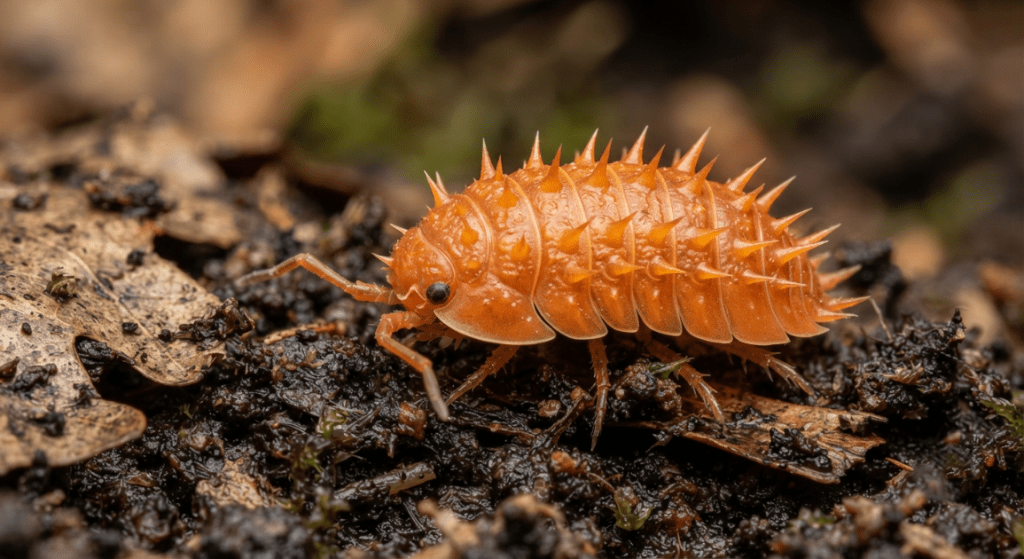
Hi seekers! So you’ve got your eye on a Cuban Spiky Isopod (Pseudarmadillo spinosus). I don’t blame you. With its dragon-like armor and those incredible spines, it’s easy to see why collectors call it the “holy grail” of isopods.
But here’s the honest truth that most sellers won’t tell you: this is not a beginner’s pet.
Cuban Spikies are slow to reproduce, sensitive to setup mistakes, and require patience and attention to detail. If you’re ready for the challenge, though, they’re incredibly rewarding. Let’s walk through exactly what they need to thrive.,
Cuban Spikies need a secure, well-ventilated enclosure. They’re excellent climbers and can easily escape if given the chance.
Important: Whatever you choose, make sure it’s escape-proof. These little guys are sneaky.
Proper airflow is critical for Cuban Spikies.
Aim for medium, steady airflow. If you see condensation constantly dripping down the sides of your enclosure, you probably need more ventilation.
Getting the substrate right is one of the most important things you can do. Cuban Spikies need a moist, deep substrate that mimics their natural environment.
Start with a layer of organic, pesticide-free soil or coconut fiber at least 2–4 inches deep. This needs to be deep enough for them to burrow and hide.
Cuban Spikies need constant leaf litter. This is their primary food source and provides essential cover.
Add pieces of rotting wood and cork bark. This provides:
Cuban Spikies need a clear moisture gradient. This means:
How to create it:
Cuban Spikies prefer temperatures between 70–85°F (21–29°C).
More precise range: 72–78°F (22–26°C) is often recommended for optimal health.
What to avoid:
Pro tip: If your room temperature is stable, you may not need additional heating. If not, use a heat mat on one side of the enclosure to create a temperature gradient.
Cuban Spikies need medium to high humidity with a clear moisture gradient.
How to maintain it:
Warning signs:
Cuban Spikies are slow eaters—don’t expect them to devour food overnight. They nibble slowly and steadily, and overfeeding leads to mold.
Cuban Spikies need constant access to calcium.
Calcium sources:
Calcium is essential for:
Feeding schedule: Feed twice a week, removing uneaten food to prevent mold.
Isopods have gills and need moisture to breathe.
How to water:
A note on “wet areas”: Isopods need access to a wet area to keep their lungs moist and breathe. The damp side of your moisture gradient serves this purpose.
If you’re hoping to breed Cuban Spikies, you need to know one thing upfront: they are slow breeders.
Tips for breeding success:
| Mistake | Why It’s Bad |
|---|---|
| Not enough ventilation | Stagnant, humid conditions lead to mold and death |
| Overwatering | Keep it damp, not wet. Waterlogged substrate is a killer |
| Forgetting calcium | Without calcium, they can’t molt properly |
| Using wild-collected materials | Always use pesticide-free, organic substrate and leaf litter |
| Overfeeding | Uneaten food molds and creates unhealthy conditions |
| Frequent disturbance | Cuban Spikies are shy and stress easily |
| Buying from questionable sources | Make sure you’re getting captive-bred isopods, not wild-caught ones |
Cuban Spiky Isopods are stunning, fascinating, and absolutely worth the effort—if you’re ready for the challenge.
They’re not for beginners. They’re slow to breed, sensitive to mistakes, and require consistent, patient care. But for the experienced keeper willing to put in the work, they’re one of the most rewarding species you can keep.
Your quick checklist:
One more thing: Make sure you’re buying from reputable breeders who can prove their stock is captive-bred. Wild-caught Cuban Spikies are contributing to a conservation crisis, and responsible keepers should only buy ethically sourced animals.
Good luck, and enjoy your spiky little dragons!
A: These isopods are relatively small and don’t require vast amounts of space. A 6-quart storage bin or a small plastic terrarium is sufficient for a starter colony. Ensure the enclosure has enough surface area for them to move around and adequate ventilation to prevent stagnant air, while still maintaining necessary humidity levels.
A: Cristarmadillidium muricatum prefer room temperatures, generally between 20°C to 24°C (68°F to 75°F). Avoid placing their enclosure in direct sunlight or near heat sources, as extreme fluctuations can be harmful to the colony.
A: They require a gradient of humidity. One side of the enclosure should be kept moist (where they spend most of their time), while the other side remains drier. You can achieve this by misting one corner of the substrate or using moist sphagnum moss in one area. Aim for roughly 60% to 70% humidity.
A: A mixture of organic topsoil, coco fiber, and a good amount of leaf litter works best. Adding rotten wood and a touch of calcium carbonate (like crushed eggshells or cuttlebone) is essential to provide them with the minerals needed for their shell development and overall health.
A: They are detritivores. Their primary food source should be leaf litter and decaying wood. You can supplement their diet with vegetables like carrots, squash, or cucumber, and a high-quality protein source like fish flakes or specialized isopod food once or twice a week. Always remove uneaten food after 24 hours to prevent mold.
A: Isopods are crustaceans; they need calcium to build and maintain their exoskeletons. Without consistent access to a calcium source (like cuttlebone or eggshells), they may struggle with molting, which can be fatal.
A: When provided with stable conditions, a well-fed colony will breed prolifically. You will see small, white “mancas” (babies) emerging in the substrate. Once a colony is established, you can expect population growth to accelerate significantly.
How Casinos Are Rebounding After COVID-19: Recovery Strategies Revealed The COVID-19 pandemic has had a
Олимп казино официальный сайт в Казахстане – Olimp Casino ▶️ ИГРАТЬ Содержимое Преимущества игры в
Олимп казино официальный сайт в Казахстане – Olimp Casino ▶️ ИГРАТЬ Содержимое Преимущества игры в
Олимп казино официальный сайт в Казахстане – Olimp Casino ▶️ ИГРАТЬ Содержимое Преимущества игры в
Олимп казино официальный сайт в Казахстане – Olimp Casino ▶️ ИГРАТЬ Содержимое Преимущества игры в
Олимп казино официальный сайт в Казахстане – Olimp Casino ▶️ ИГРАТЬ Содержимое Преимущества игры в