Hi seekers! Traveling with your furry friend can be one of the most rewarding experiences. Watching your dog stick their head out the car window
Table of Contents
Hi seekers! Traveling with your furry friend can be one of the most rewarding experiences. Watching your dog stick their head out the car window or seeing your cat curiously explore a new hotel room—those are memories you’ll treasure forever.
But let’s be honest: pet travel takes planning. A lot of it.
Whether you’re planning a weekend road trip, a cross-country move, or a flight to a dream destination, this guide will walk you through everything you need to know. From pre-trip vet visits to choosing the right carrier, from airline rules to hotel etiquette—I’ve got you covered.
Part 1: Before You Go – The Essential Prep Work
Step 1: Visit the Vet
This should be your very first step, ideally several weeks before your trip.
Your vet can help you figure out:
Is your pet healthy enough to travel? Some conditions make travel risky.
Are all vaccinations up to date? Many destinations require proof of rabies and other vaccinations.
Does your pet need medication? For anxiety, motion sickness, or any ongoing conditions.
Do you need a health certificate? For air travel and many destinations, you’ll need a Certificate of Veterinary Inspection (CVI) issued within 10 days of travel.
Pro tip: If you’re traveling internationally, start this process at least 1-2 months in advance. Many countries require microchipping, rabies vaccination, and specific health certificates that can take time to arrange.
Step 2: Update Identification
This could save your pet’s life if they get lost.
Microchip: Make sure the microchip is registered with your current contact information.
ID tags: Your pet should wear a collar with up-to-date ID tags including your cell phone number.
Temporary tag: Consider adding a temporary tag with your destination contact info.
Step 3: Get Your Pet Used to the Carrier
Don’t wait until the night before your trip to introduce the carrier. Start several weeks ahead.
For cats (especially): Leave the carrier out in a familiar room with the door open. Put treats, toys, or a cozy blanket inside. Let them explore it on their own terms.
For dogs: Feed them meals near or inside the carrier. Take them on short practice rides around the neighborhood.
Step 4: Pack the Right Gear
Here’s your pet travel essentials checklist:
Category
What to Pack
Food & Water
Extra food (pack more than you think you’ll need), bottled water, collapsible bowls
Medications
Any prescription meds, plus a basic first aid kit
Comfort items
Favorite toys, familiar blankets, an old t-shirt with your scent
Cleanup supplies
Poop bags, paper towels, plastic bags, pet-safe cleaner
Leash & collar
A sturdy leash and collar (and a backup leash)
Vet records
Printed copies of vaccination records and health certificates
For cats
Travel litter box, extra litter
For dogs
Cold-weather or rain gear if needed
Part 2: Traveling by Car – Road Trip Tips
Driving is often the least stressful way to travel with pets. You control the pace, the stops, and the environment.
Safety First
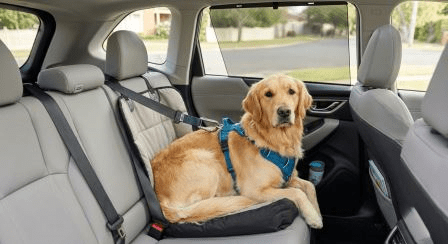
Never let your pet roam free in the car. It’s dangerous for them and for you.
Small dogs and cats: Always use a sturdy carrier secured with a seatbelt.
Larger dogs: Use a crash-tested harness or secured crate in the back seat.
What NOT to do:
Don’t let dogs stick their heads out the window—dirt and debris can injure their eyes
Never open a window or door when your pet is unrestrained
Never leave a pet alone in a parked car—even on a mild day, temperatures can become deadly within minutes
Take Regular Breaks
Stop every 2 hours to let your pet stretch, drink water, and relieve themselves.
During stops:
Keep your pet on a leash at all times
Offer water (but don’t overfeed)
Let them walk around and sniff—it’s mentally stimulating
Motion Sickness
If your pet gets carsick:
Give them a light meal a few hours before travel
Try lowering the car windows slightly to equalize pressure
Bring something that smells like home to comfort them
Talk to your vet about motion sickness medication if it’s severe
Practice Makes Perfect
If your pet isn’t used to car travel, take practice runs:
Start with short 10-15 minute drives
Gradually increase the duration
Reward calm behavior with treats and praise
Part 3: Flying with Your Pet – What You Need to Know
Air travel is the most complicated option. Policies vary widely between airlines, and the rules change frequently.
Before You Book
Check these things FIRST:
Factor
What to Check
Airline policy
Does the airline allow pets in the cabin or only cargo?
Pet size/weight
Most airlines have strict size limits for in-cabin pets—typically under 20 lbs
Breed restrictions
Many airlines won’t carry brachycephalic (short-nosed) breeds like Bulldogs, Pugs, or Persians due to breathing risks
Age limits
Pets usually must be at least 8 weeks old and fully weaned
Number of pets
Most flights limit the number of pets in the cabin—book early!
Fees
Pet fees can range from $100-$200+ each way
Cabin vs. Cargo
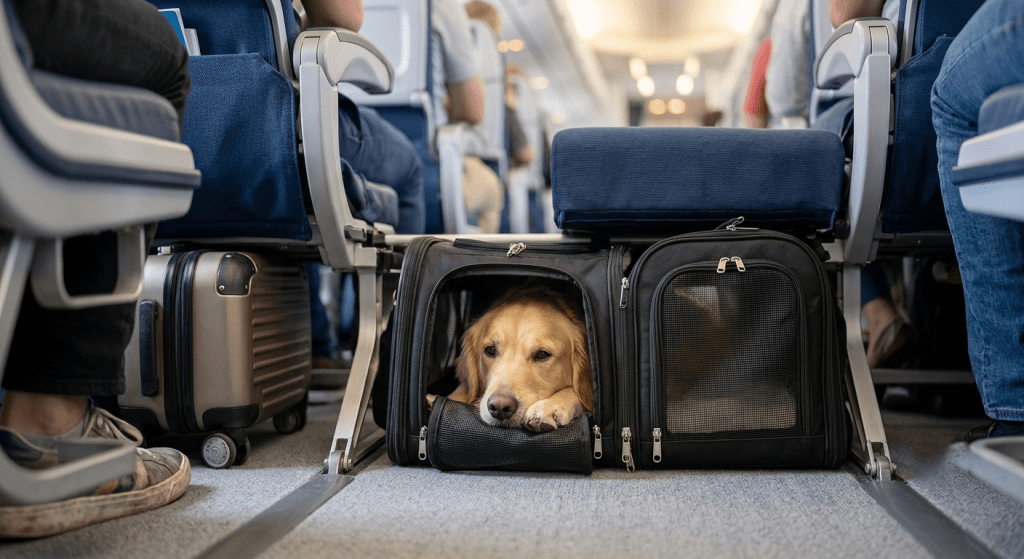
In-cabin (usually small dogs and cats):
Pet carrier counts as carry-on baggage
Must fit under the seat in front of you
Carrier must stay closed for the entire flight
You’ll need a health certificate issued within 10 days
Cargo (larger pets):
Pet travels in a climate-controlled area of the plane
Requires an airline-approved kennel
Many airlines restrict cargo pet travel during extreme summer or winter temperatures
Important: Federal regulations require that pets be at least 8 weeks old and weaned at least 5 days before flying.
The Day of the Flight
Feed a light meal at least 4 hours before flying
Take your dog for a long walk before heading to the airport
Arrive early—check-in with a pet takes extra time
Stay calm—pets can pick up on your anxiety
A Note on Sedation
Important: The International Pet and Animal Transportation Association (IPATA) does not recommend giving sedatives or tranquilizers to pets during air travel. Sedation can suppress cardiovascular and respiratory function, making it harder for pets to regulate their body temperature and breathe properly.
If your pet has severe travel anxiety, talk to your vet about non-sedative options or alternative travel arrangements.
Part 4: International Travel – The Extra Steps
Traveling with a pet to another country requires significantly more planning.
Common Requirements
Most countries require:
Microchip identification (usually ISO-compatible)
Valid rabies vaccination (often with a waiting period)
Health certificate issued by an accredited veterinarian
Import permit (some countries)
For travel to the EU:
You’ll need an Animal Health Certificate issued within 10 days of travel
The certificate is valid for 4 months for onward travel within the EU
Your pet must be at least 15 weeks old
For travel to the UK:
Similar requirements to the EU, with additional tapeworm treatment for dogs
Always check the specific requirements of your destination country through the USDA APHIS website or your destination’s embassy.
Part 5: Pet-Friendly Accommodations
Finding the Right Place
Not all “pet-friendly” hotels are created equal. Some are genuinely welcoming; others are merely “pet-tolerant.”
Before you book, ask:
Is there a size or breed limit?
What are the fees? (Deposit? Daily fee? Non-refundable?)
Are there nearby areas for walks and bathroom breaks?
Is there a limit on the number of pets per room?
Tips for a Smooth Hotel Stay
Request a ground-floor room—easier for bathroom breaks and less disturbance to other guests
Bring a crate or playpen—it gives your pet a safe space in an unfamiliar environment
Keep harmful things out of reach—hotel rooms often have items that aren’t pet-safe
Never leave your pet alone—or if you must, crate them and let housekeeping know
Clean up after your pet—both inside and outside the hotel
Respect hotel rules—keep your pet on a leash in public areas and minimize barking
Pro tip: Look for hotels that offer special pet amenities—some provide pet beds, welcome treats, food bowls, and even dog-walking services.
Part 6: Managing Travel Anxiety
Some pets love adventure. Others… not so much.
Signs of Travel Anxiety
Panting or drooling excessively
Whining, barking, or meowing
Pacing or restlessness
Hiding or trying to escape
Vomiting or diarrhea
Calming Strategies
Before the trip:
Exercise your pet before departure to help them relax
Use familiar scents—bring their favorite blanket or bed
Practice short trips to build positive associations
During the trip:
Speak calmly—pets pick up on your stress
Play calming music designed for pets
Use calming sprays or chews (vet-approved)
Keep their routine as normal as possible (feeding times, etc.)
For severe anxiety: Talk to your vet about prescription anti-anxiety medications. Options like gabapentin or trazodone are sometimes prescribed for situational anxiety like travel.
Part 7: Special Considerations
Senior Pets
Older pets need extra care when traveling:
Get a vet checkup before the trip
Keep trips shorter and avoid temperature extremes
Use padded bedding to protect aging joints
Take more frequent breaks
Maintain their routine—especially feeding and medication schedules
Puppies and Kittens
Make sure they’re at least 8 weeks old and fully weaned before flying
Get them used to the carrier weeks in advance
Take them on short practice rides
Pack extra food and water—young pets have smaller reserves
Flat-Faced (Brachycephalic) Breeds
Breeds like Bulldogs, Pugs, Boston Terriers, and Persians have higher risks when flying. Many airlines won’t accept them in cargo due to breathing problems.
If you have a brachycephalic breed:
Avoid air travel if possible
If you must fly, only in the cabin (and check airline restrictions)
Never let them travel in cargo
Part 8: Quick Checklist – Before You Leave
Here’s your final pre-trip checklist:
Vet visit completed (health check, vaccinations updated)
Health certificate obtained (if needed for your destination)
Microchip registered with current contact info
ID tags updated with your cell phone number
Carrier/crate secured and your pet is familiar with it
Food, water, bowls, and medications packed (extra portions!)
Favorite toys, blankets, and comfort items packed
Leash, collar, and waste bags packed
Printed vet records and health certificates packed
Pet-friendly accommodations confirmed
Airline or transport company pet policies confirmed
Emergency vet contact info saved in your phone
Practice rides completed (if your pet is new to travel)
The Bottom Line
Traveling with your pet takes planning, patience, and a little extra effort. But when you see that happy tail wag or hear that contented purr in a new place, you’ll know it was all worth it.
The golden rules:
Plan ahead – Vet visits, carrier training, and packing shouldn’t be last-minute
Prioritize safety – Secure your pet in the car, follow airline rules, never leave them alone in a car
Keep them comfortable – Familiar items, regular breaks, and hydration go a long way
Know your pet – Some pets love travel, others tolerate it, and some really don’t. Be honest with yourself about what’s best for them.
The most important thing is this: your pet trusts you. They’re relying on you to keep them safe, comfortable, and happy. With the right preparation, you’ll do exactly that—and you’ll both create memories that last a lifetime.